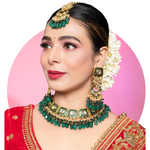
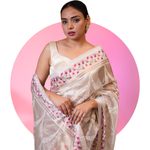
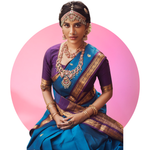
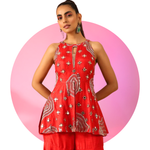
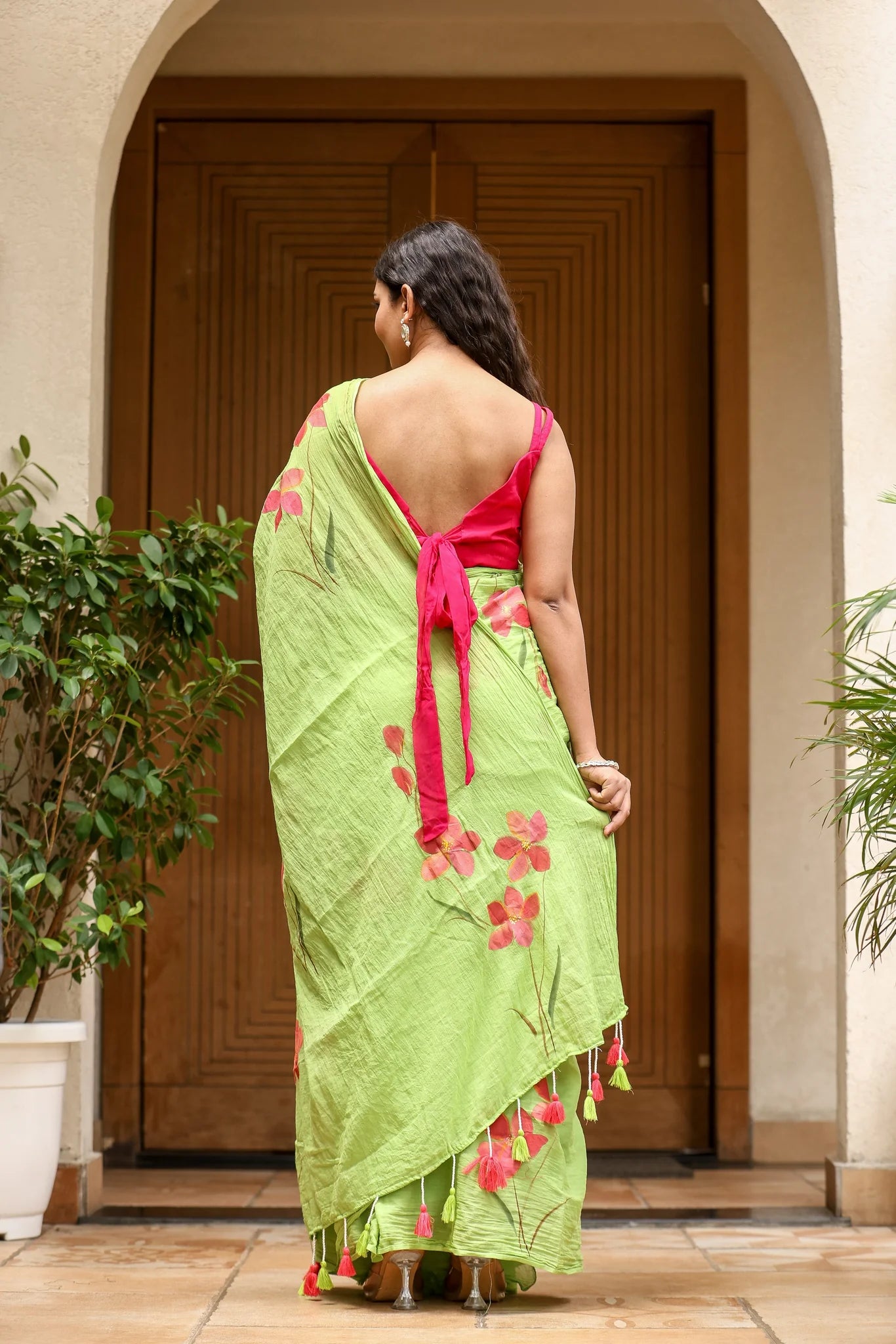
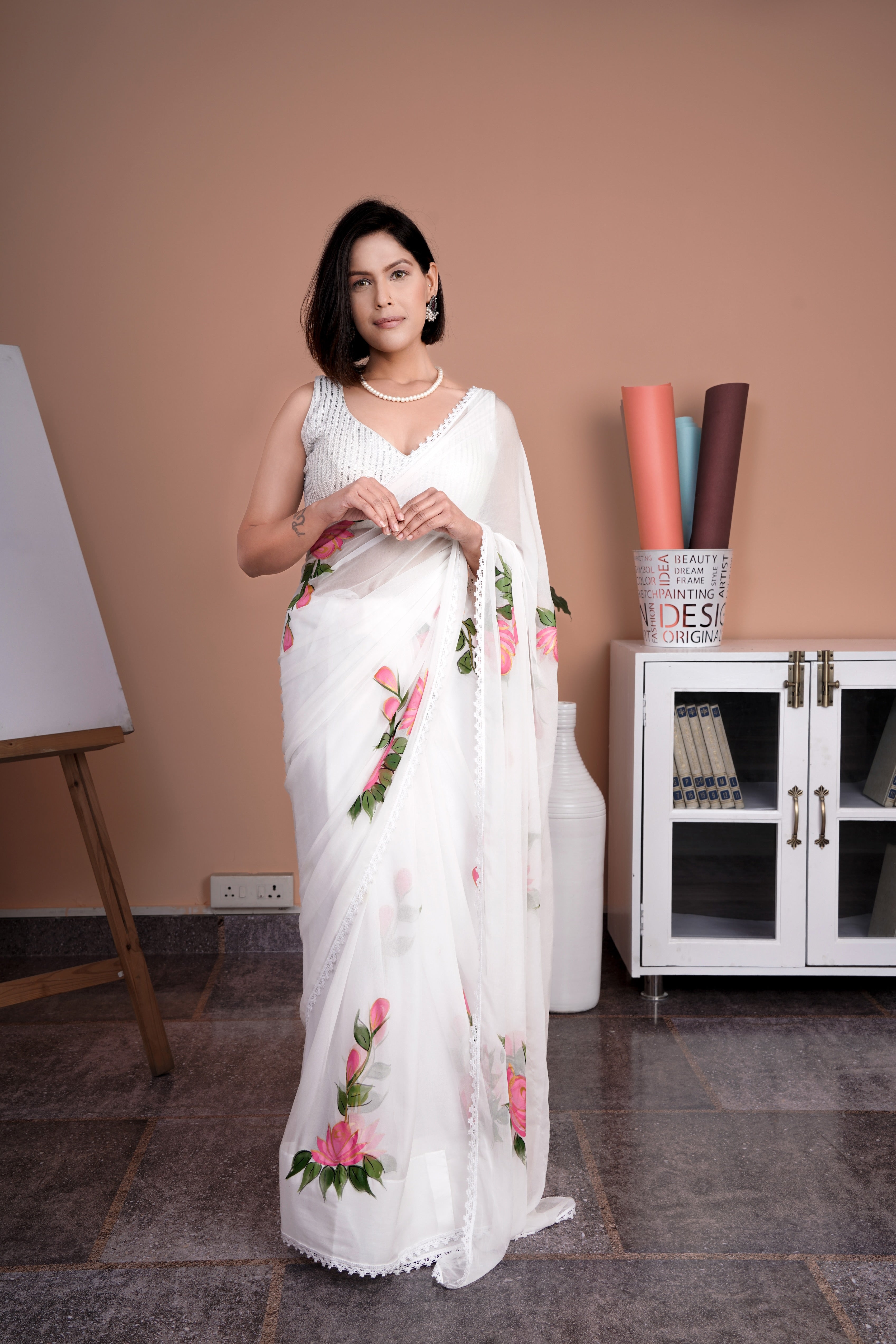
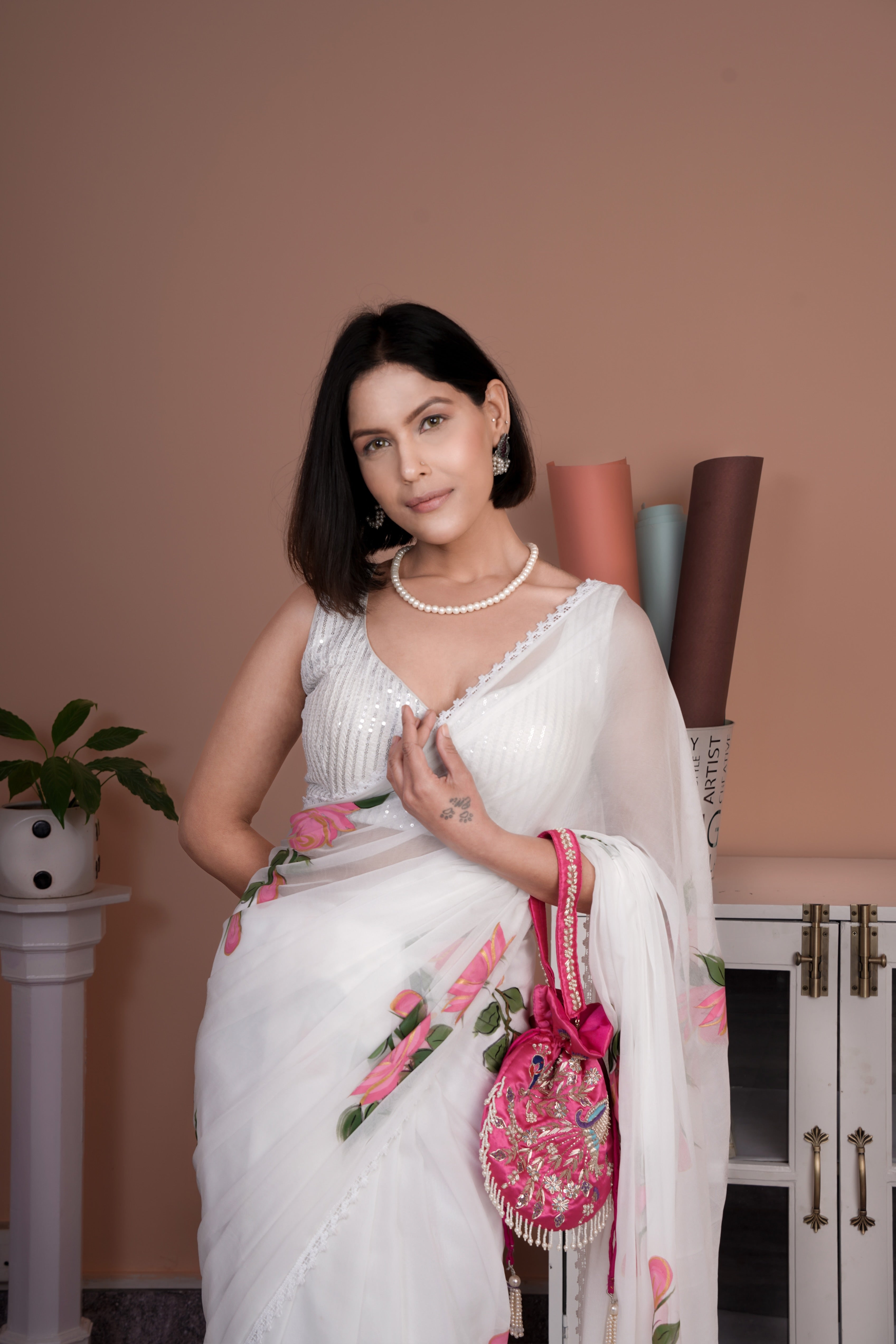
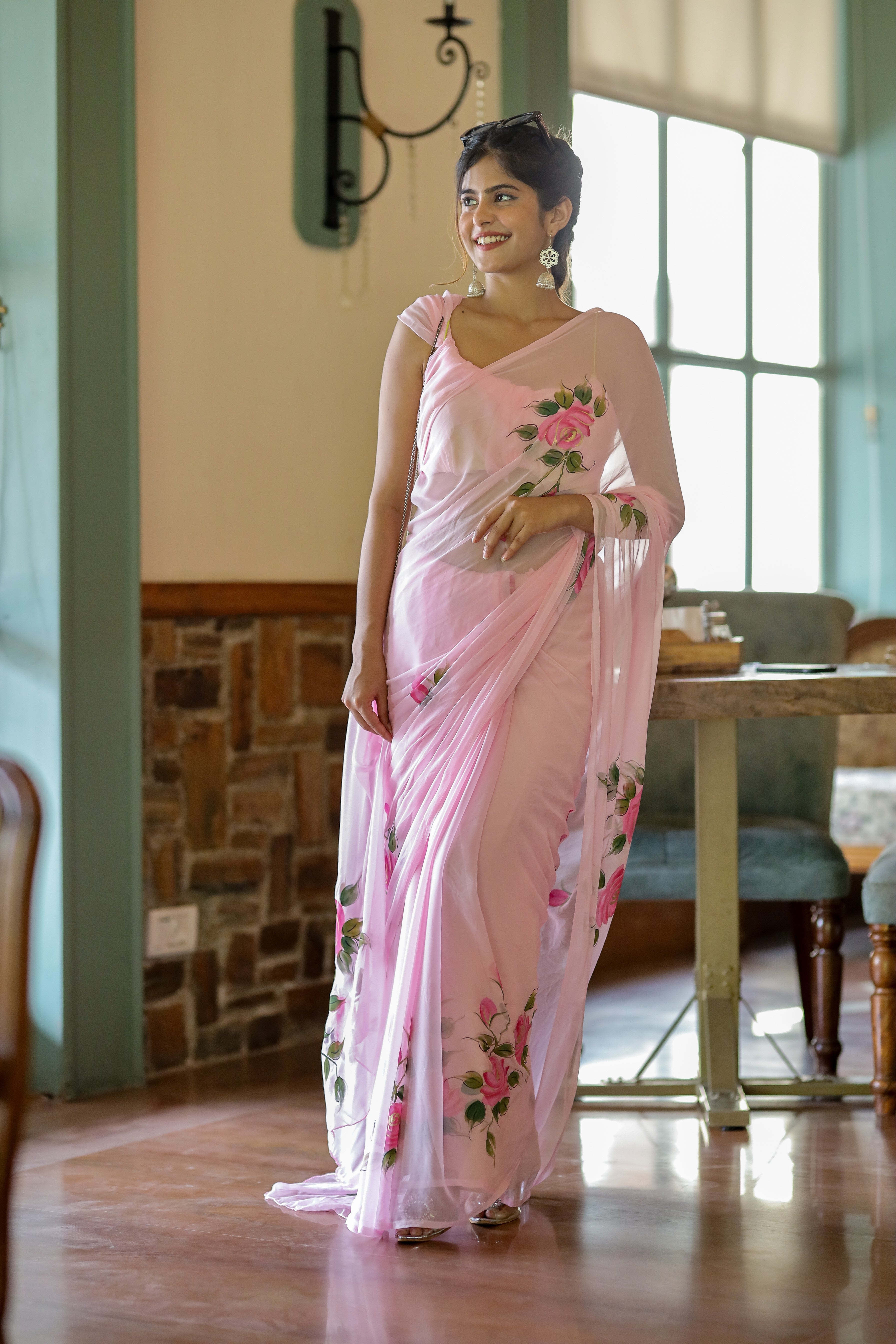
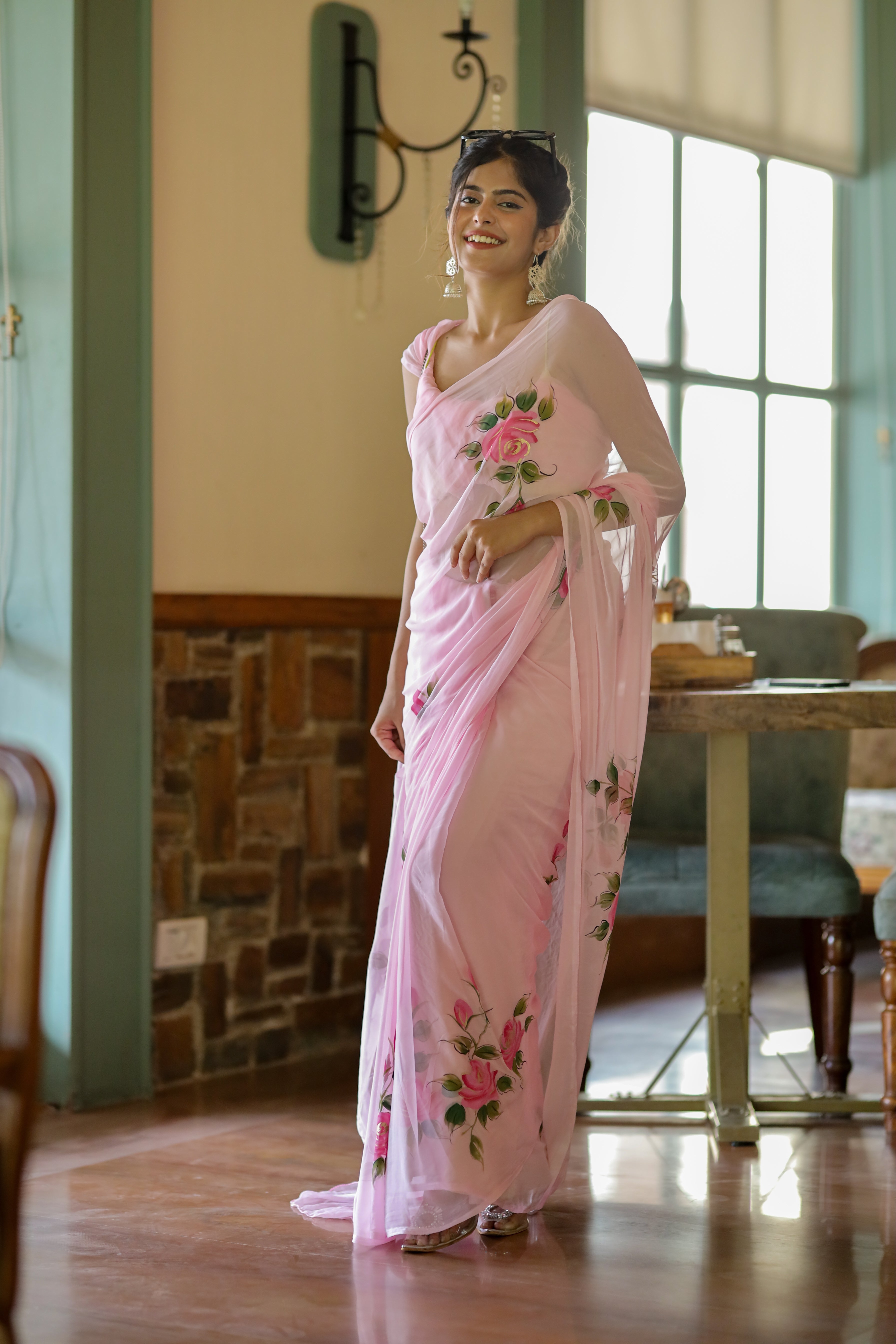
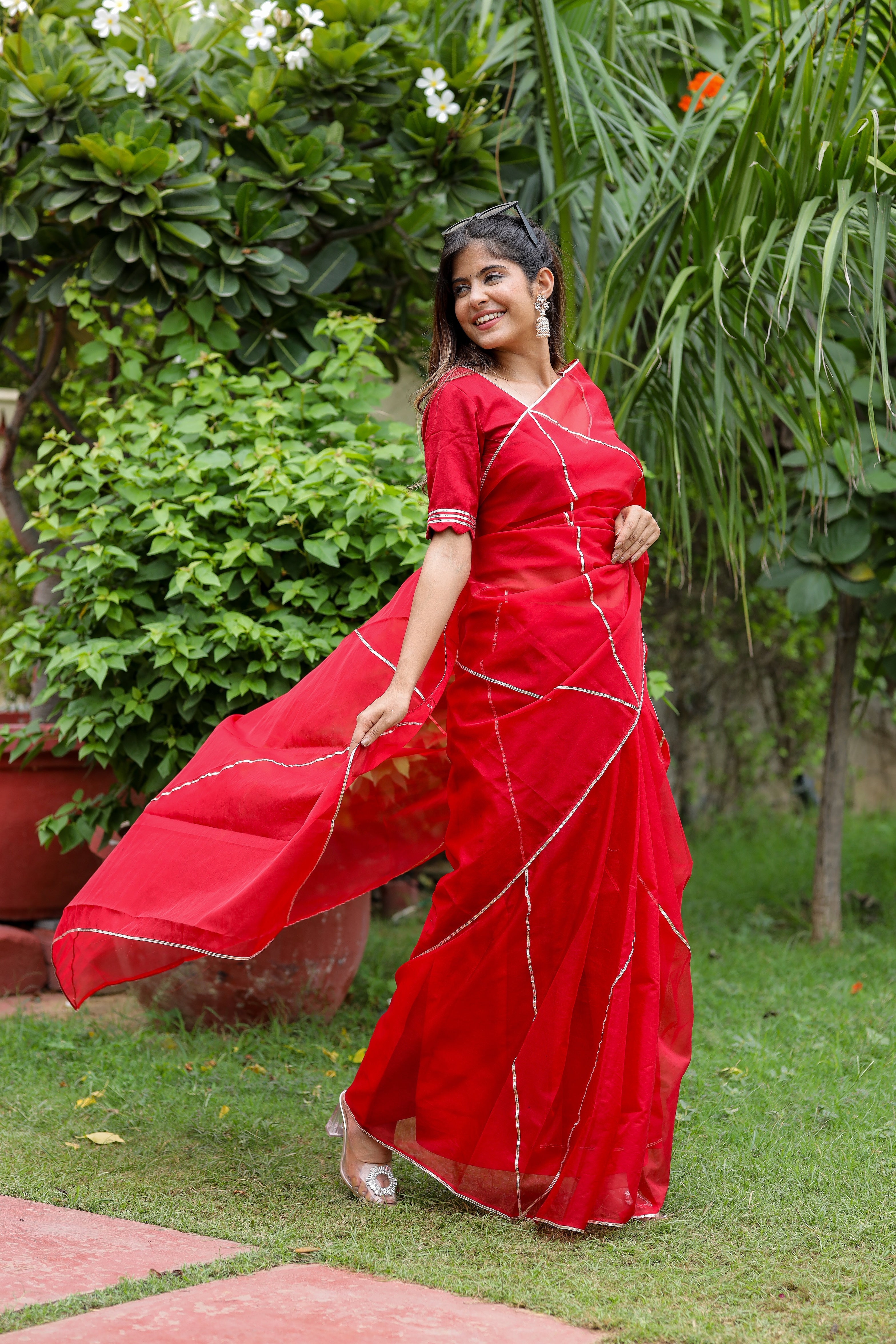
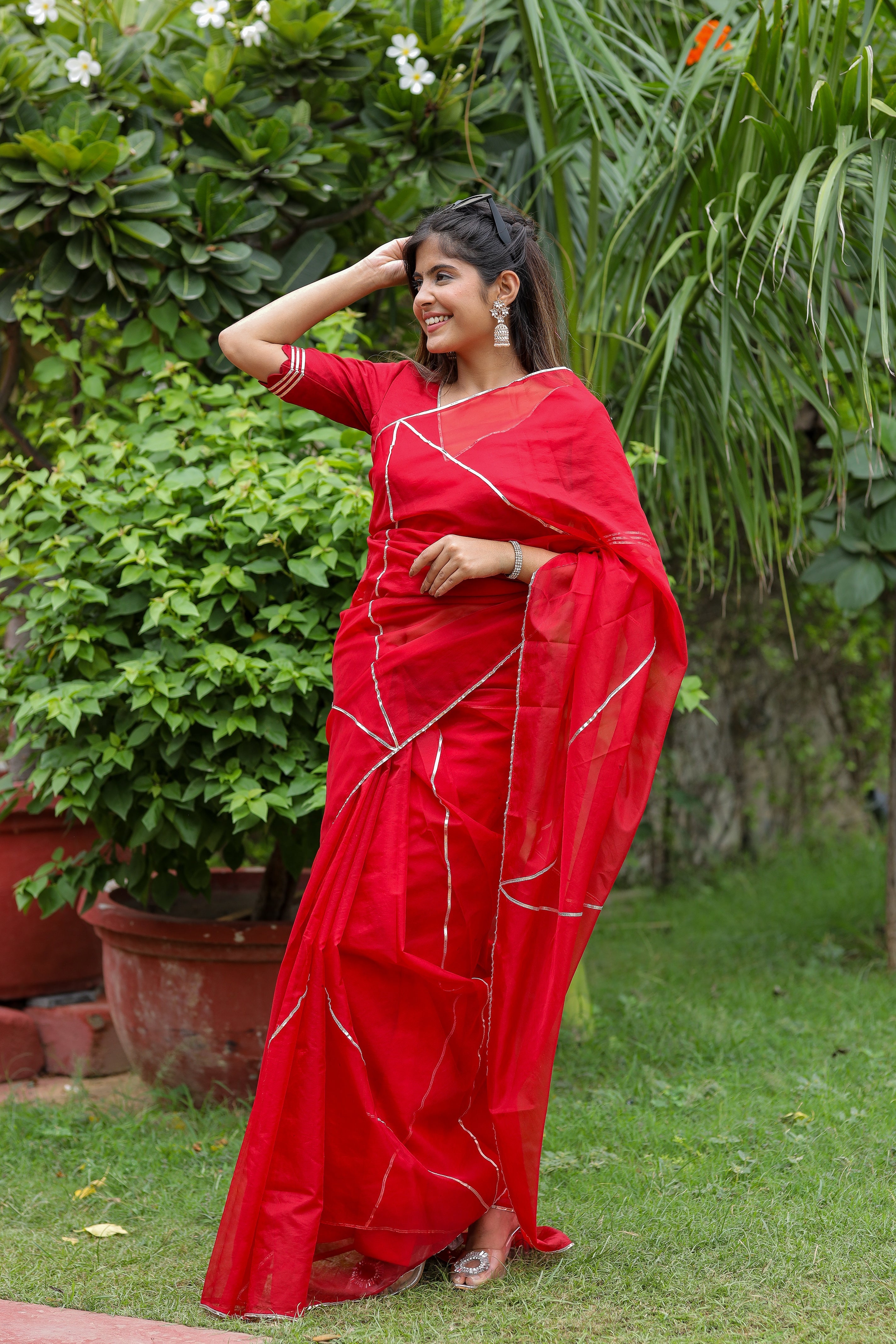
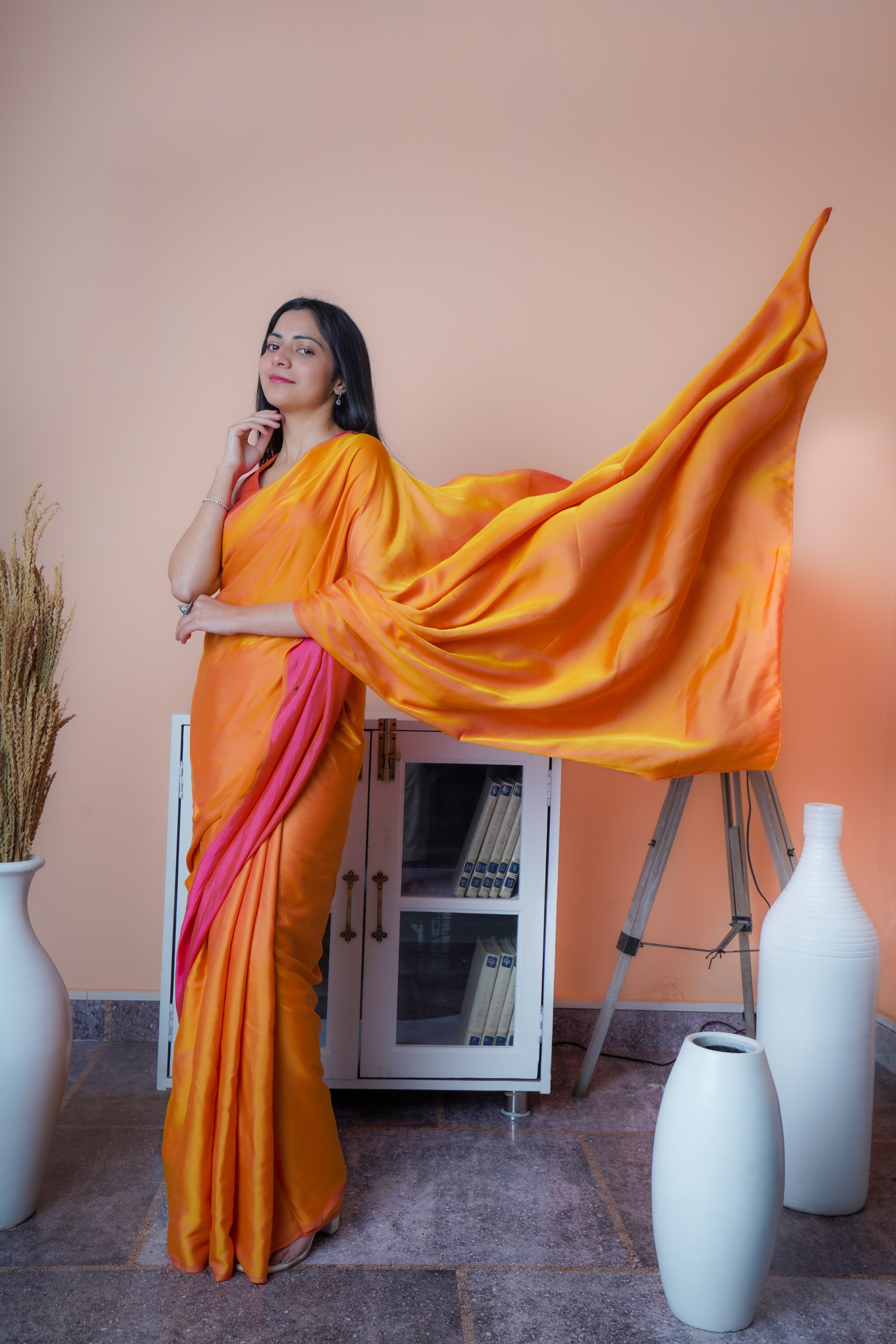
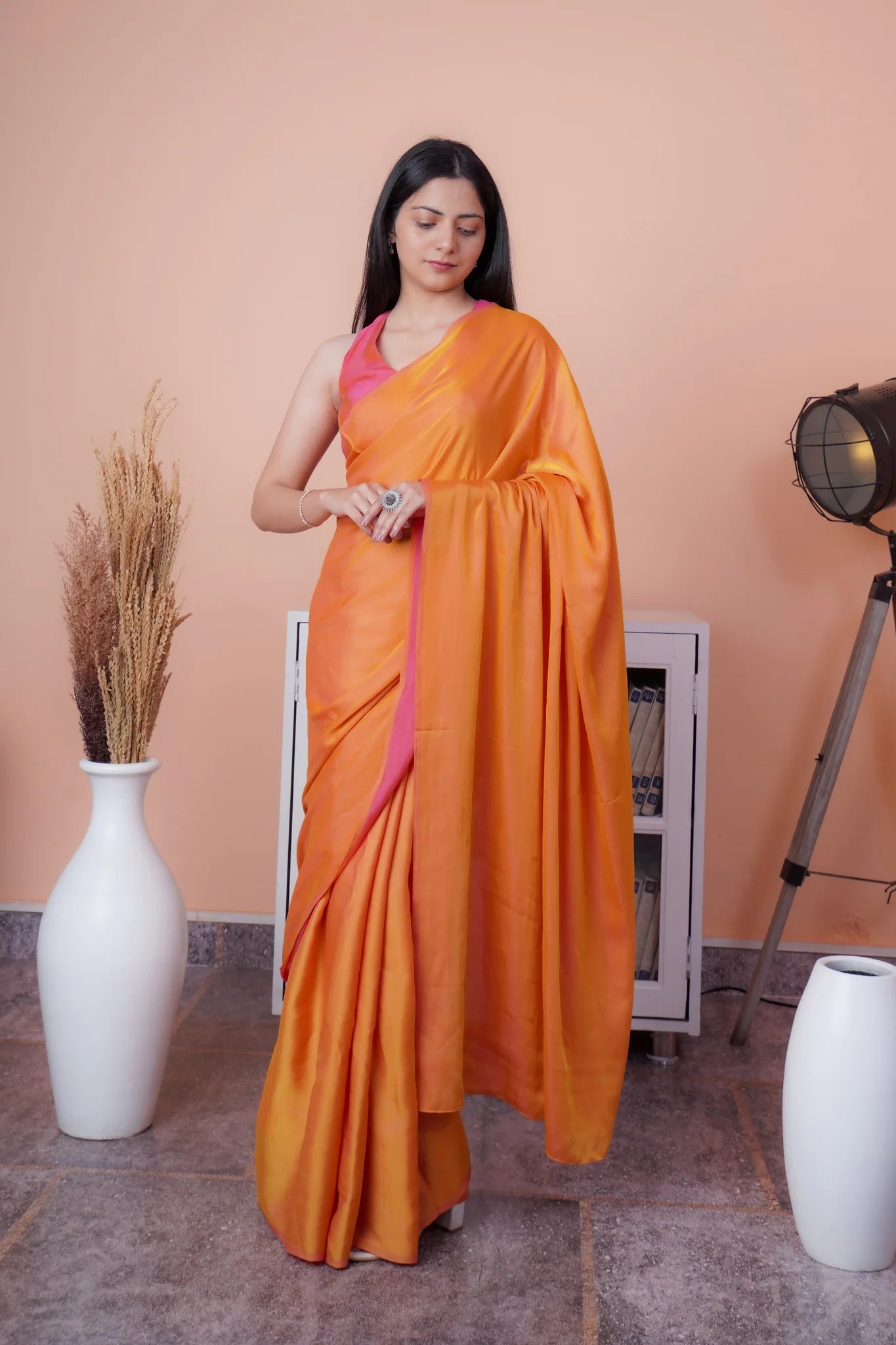
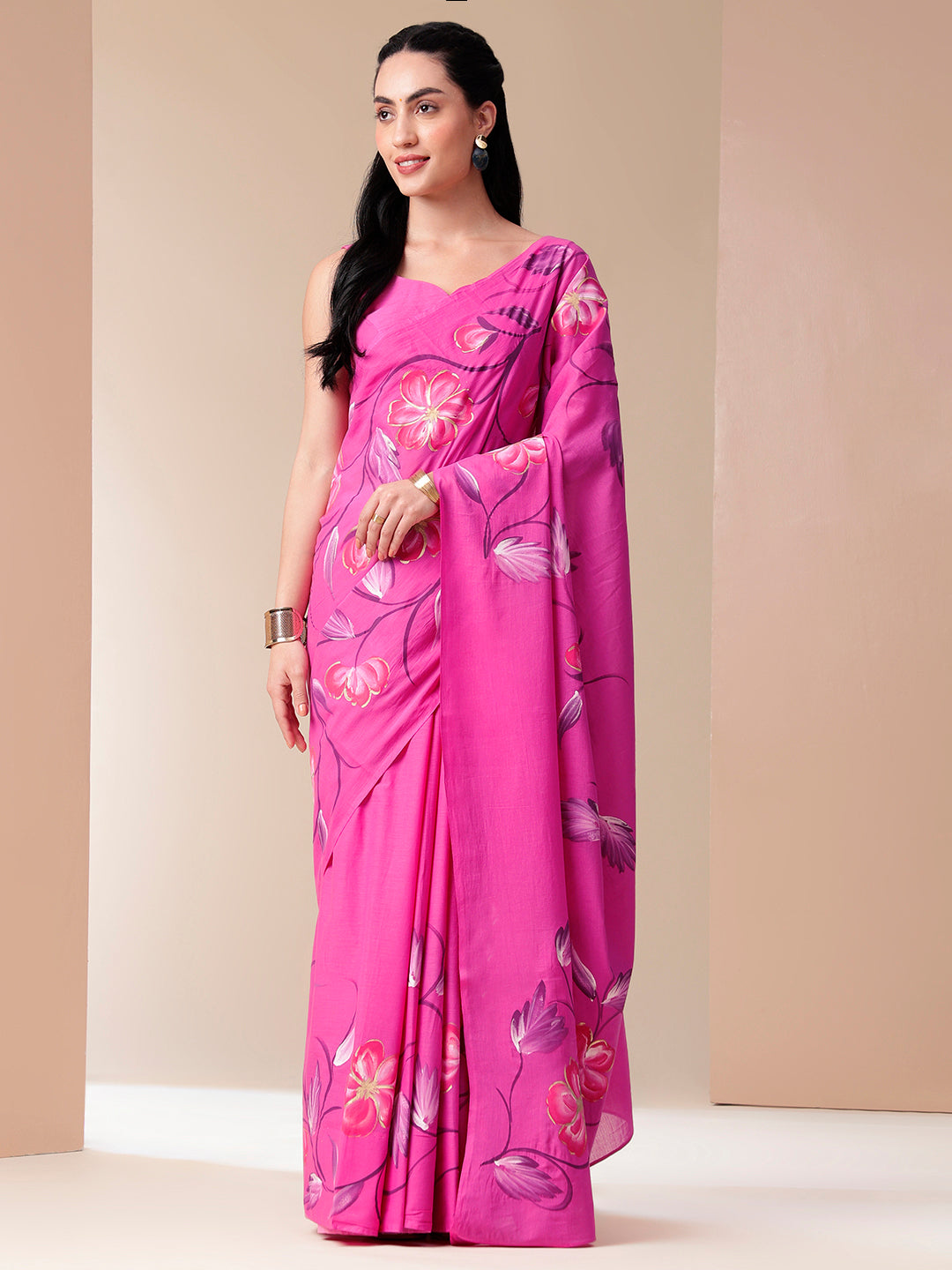
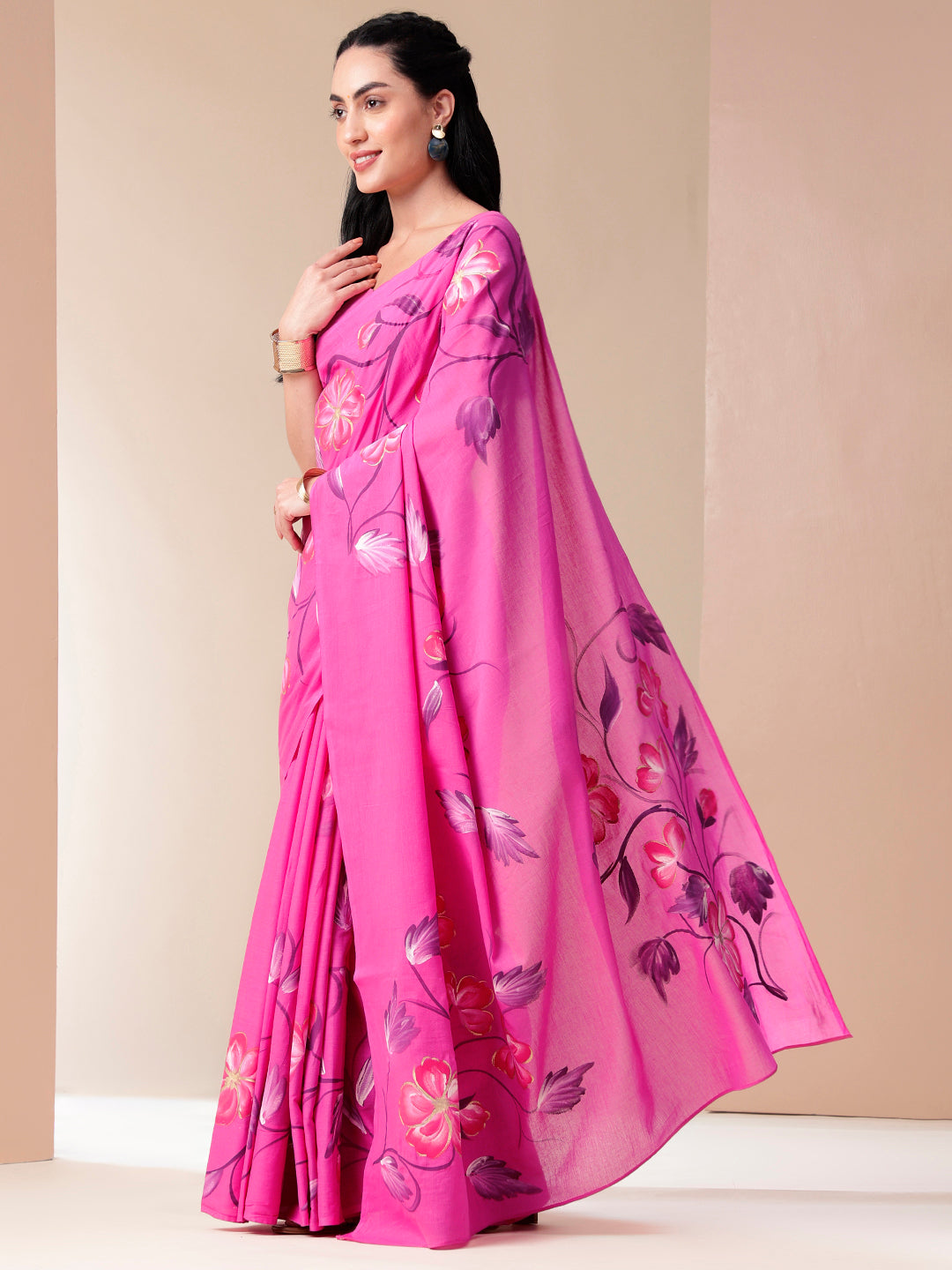
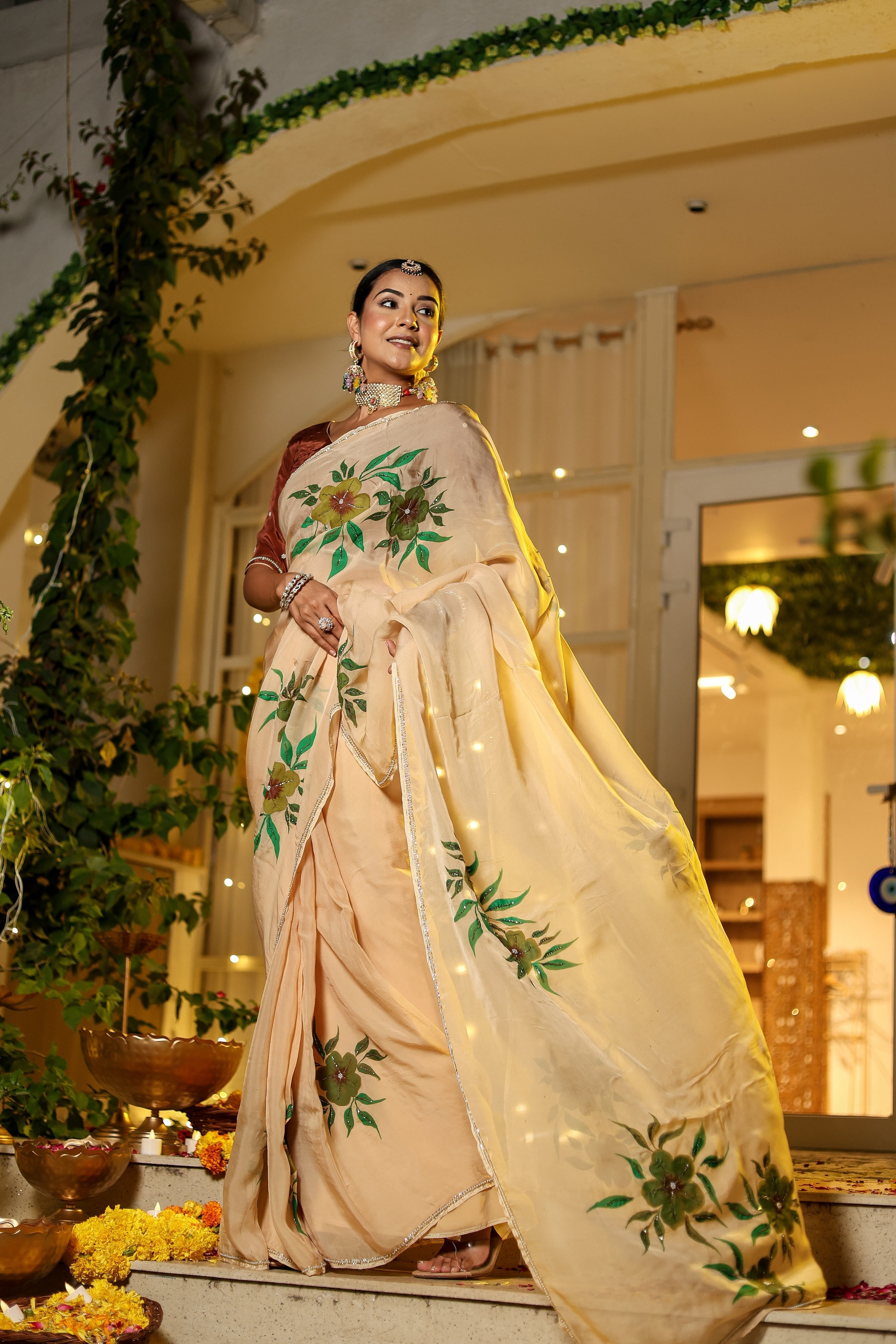
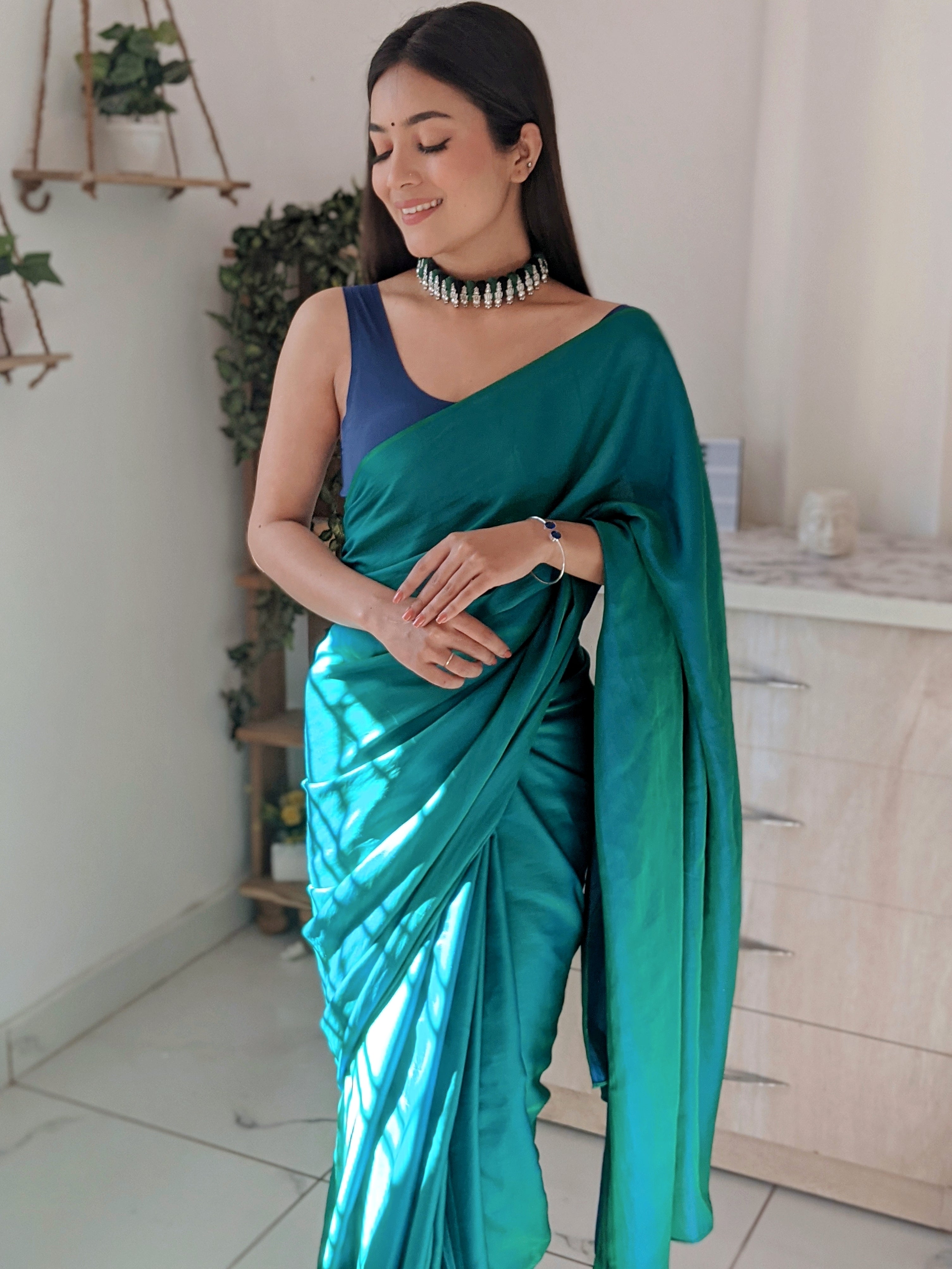
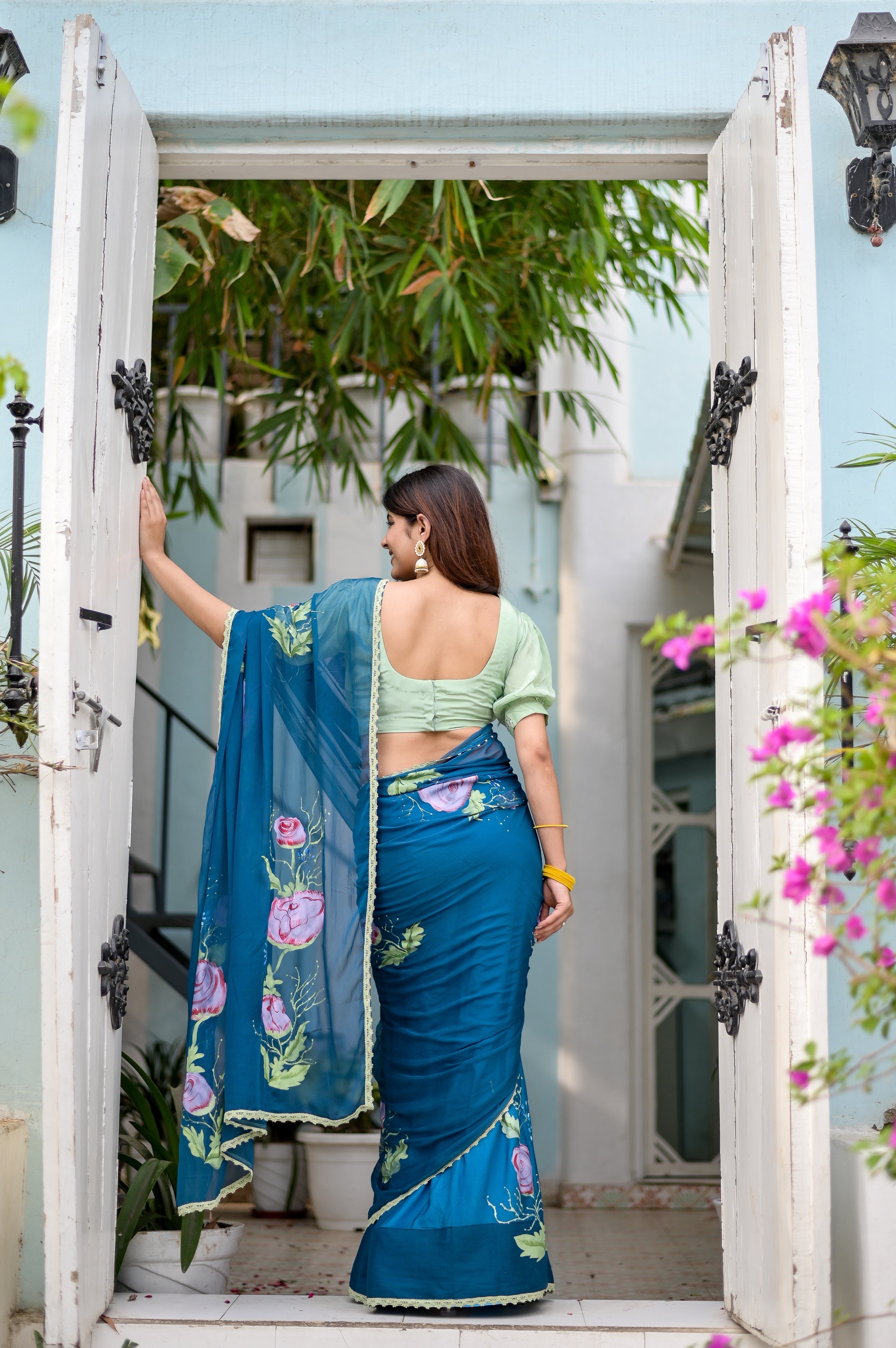
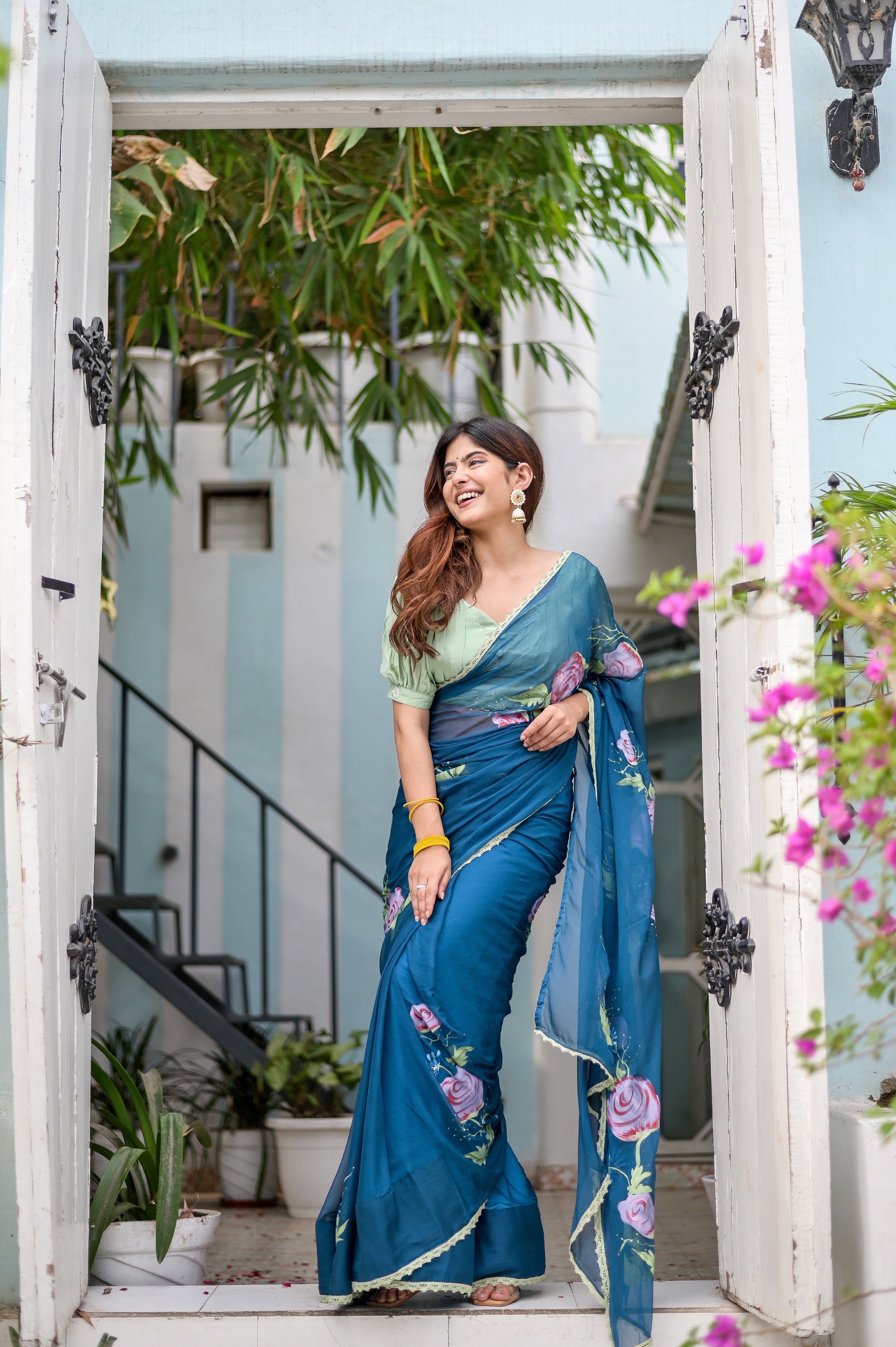
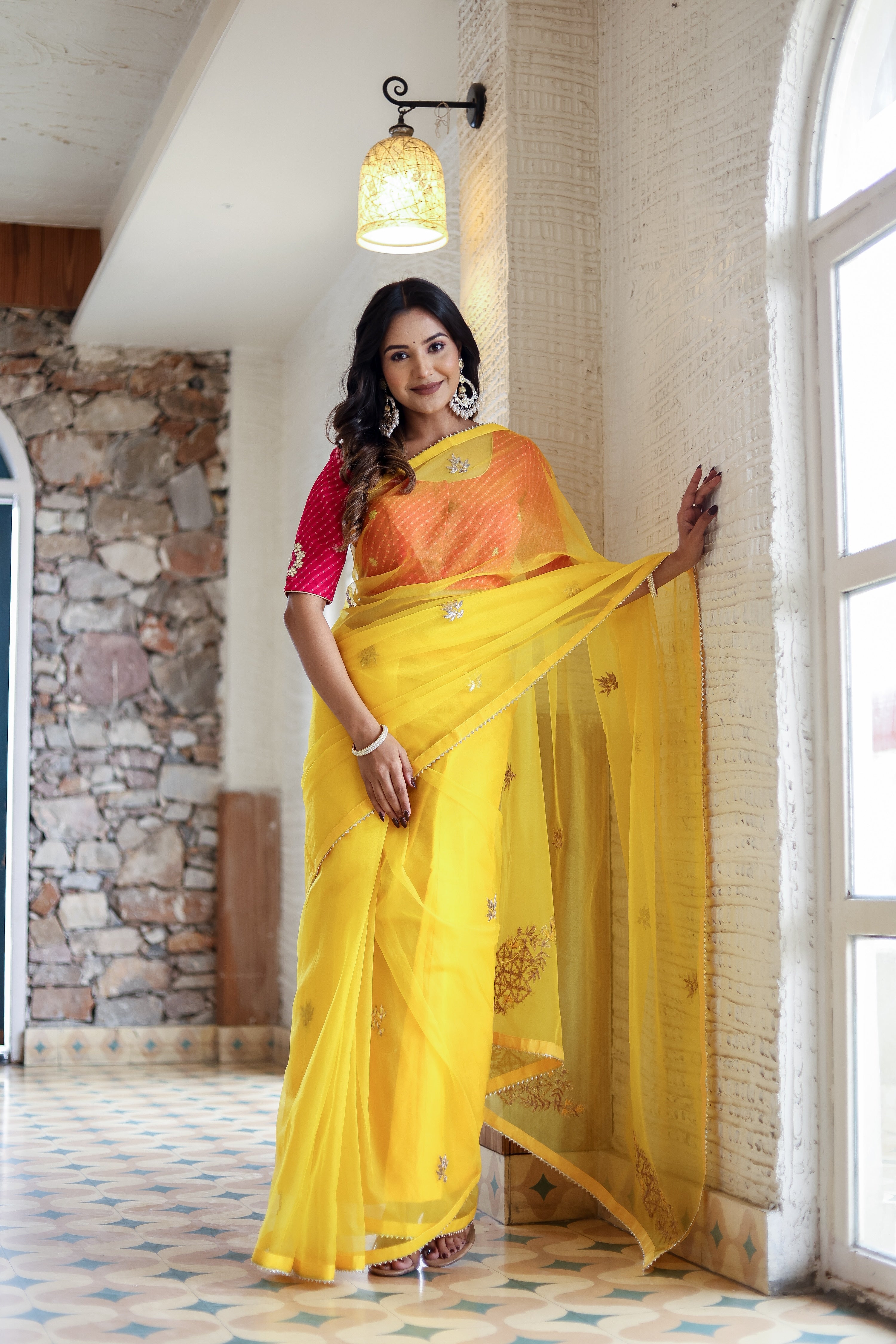
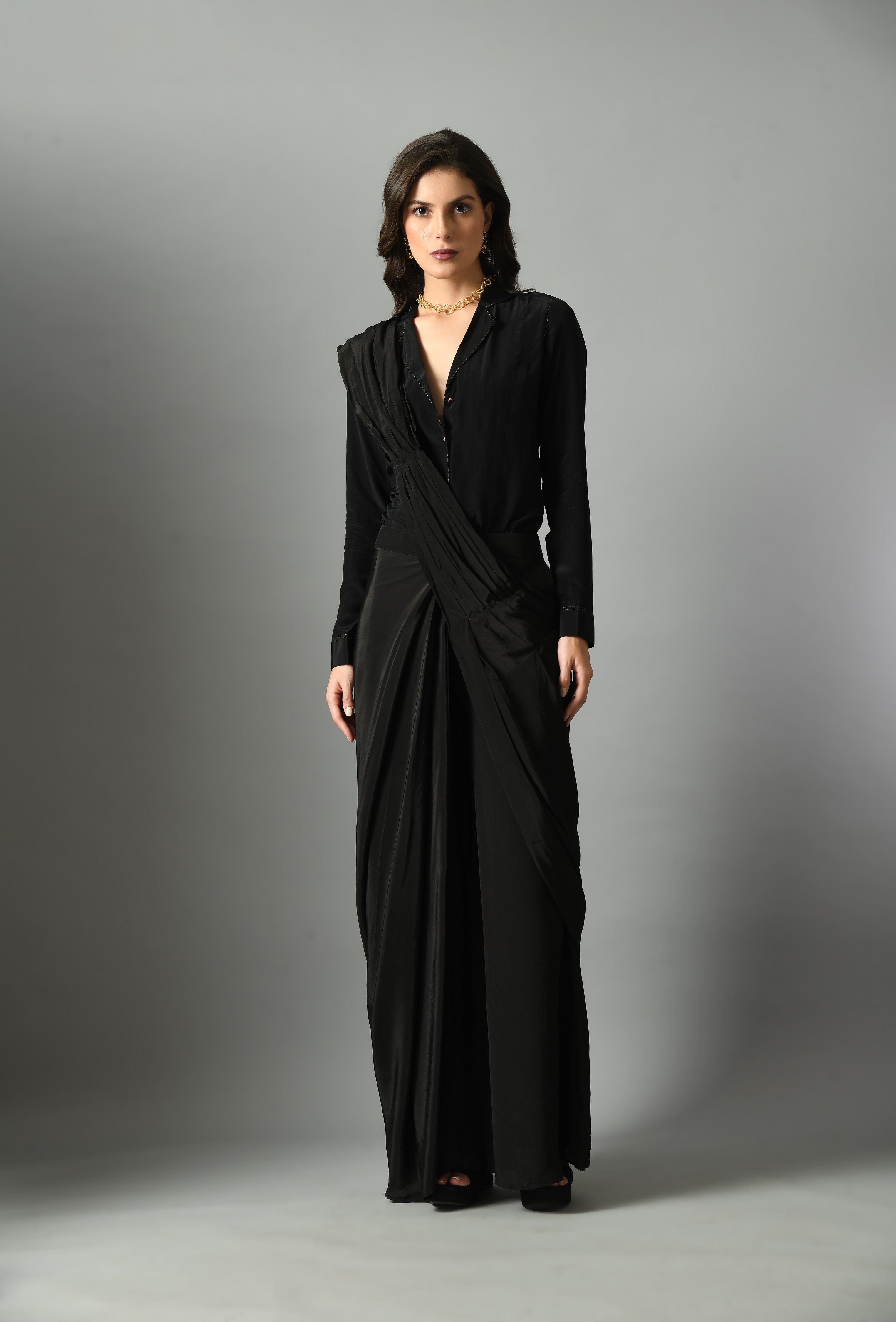
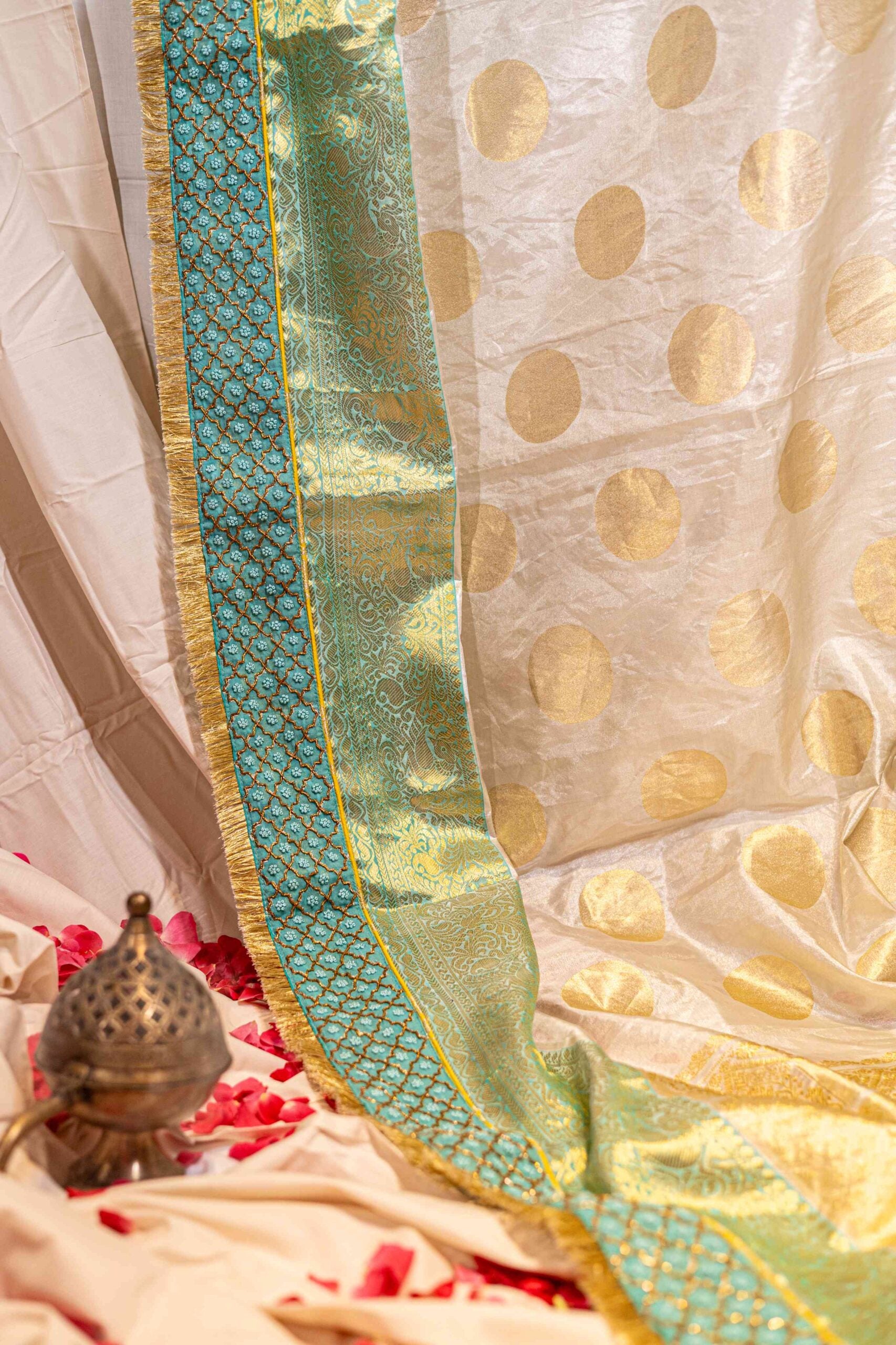
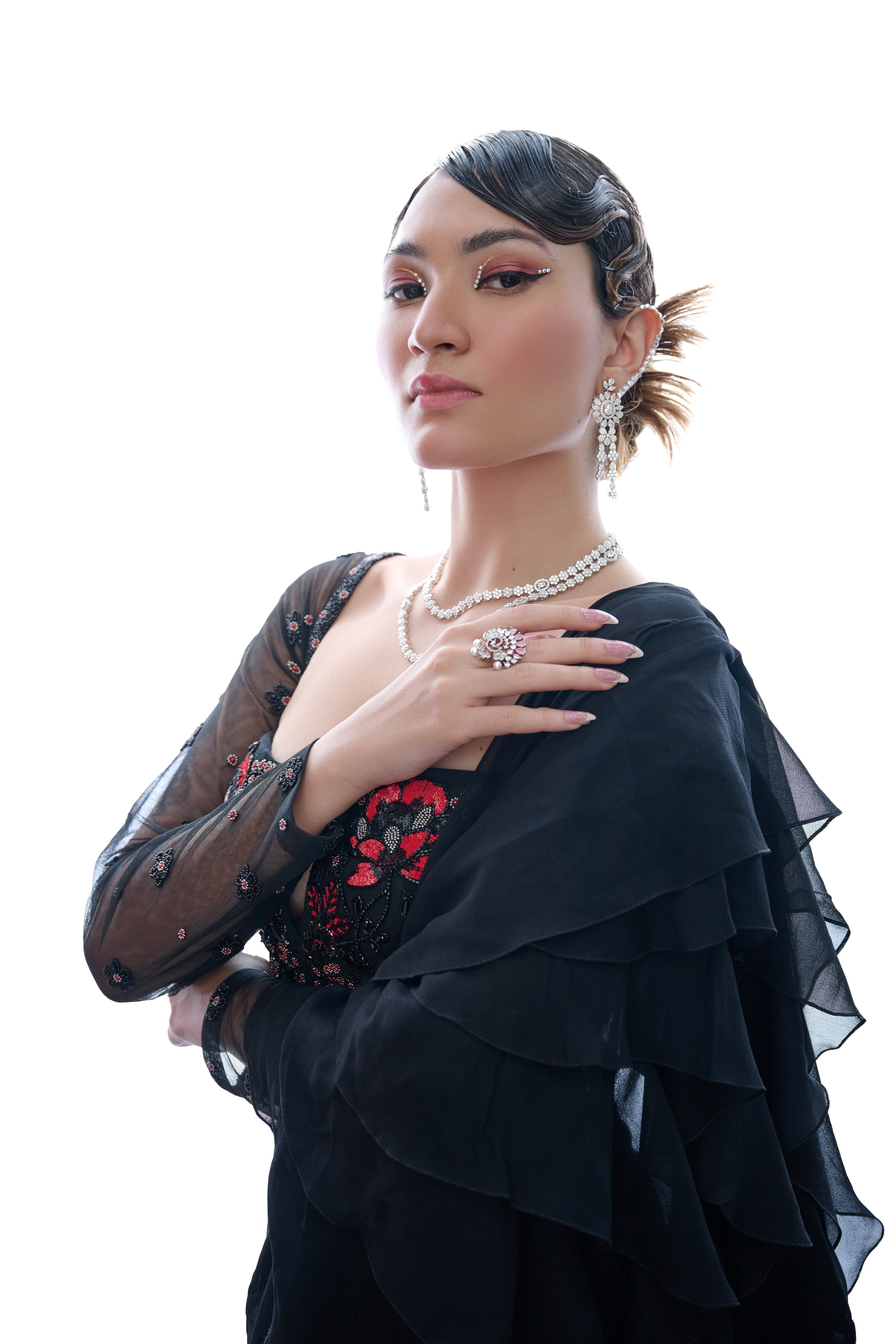
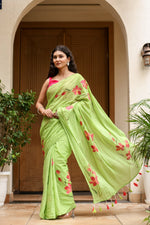
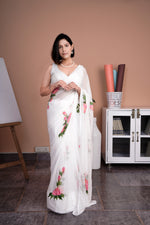
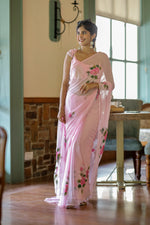
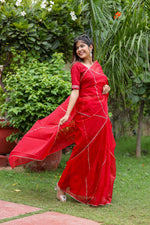
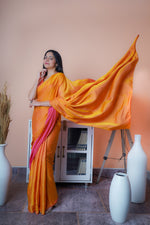
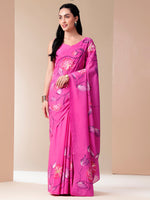
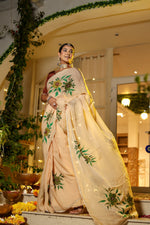
In an age where fashion choices are increasingly influenced by sustainability and mindful living, natural-dyed fabrics are finding their way back into modern wardrobes. Once deeply rooted in traditional textile practices, these fabrics are now being rediscovered by designers and consumers who value authenticity, comfort, and environmental responsibility. From everyday wear to ethnic fashion, the comeback of natural dyes reflects a shift toward slower, more thoughtful fashion, especially visible in garments like sarees.
What Are Natural-Dyed Fabrics?
Natural-dyed fabrics are coloured using pigments extracted from plants, minerals, and organic sources such as indigo leaves, turmeric roots, flowers, bark, and seeds. These dyeing techniques have been used for centuries across Indian textile traditions, long before the rise of synthetic dyes.
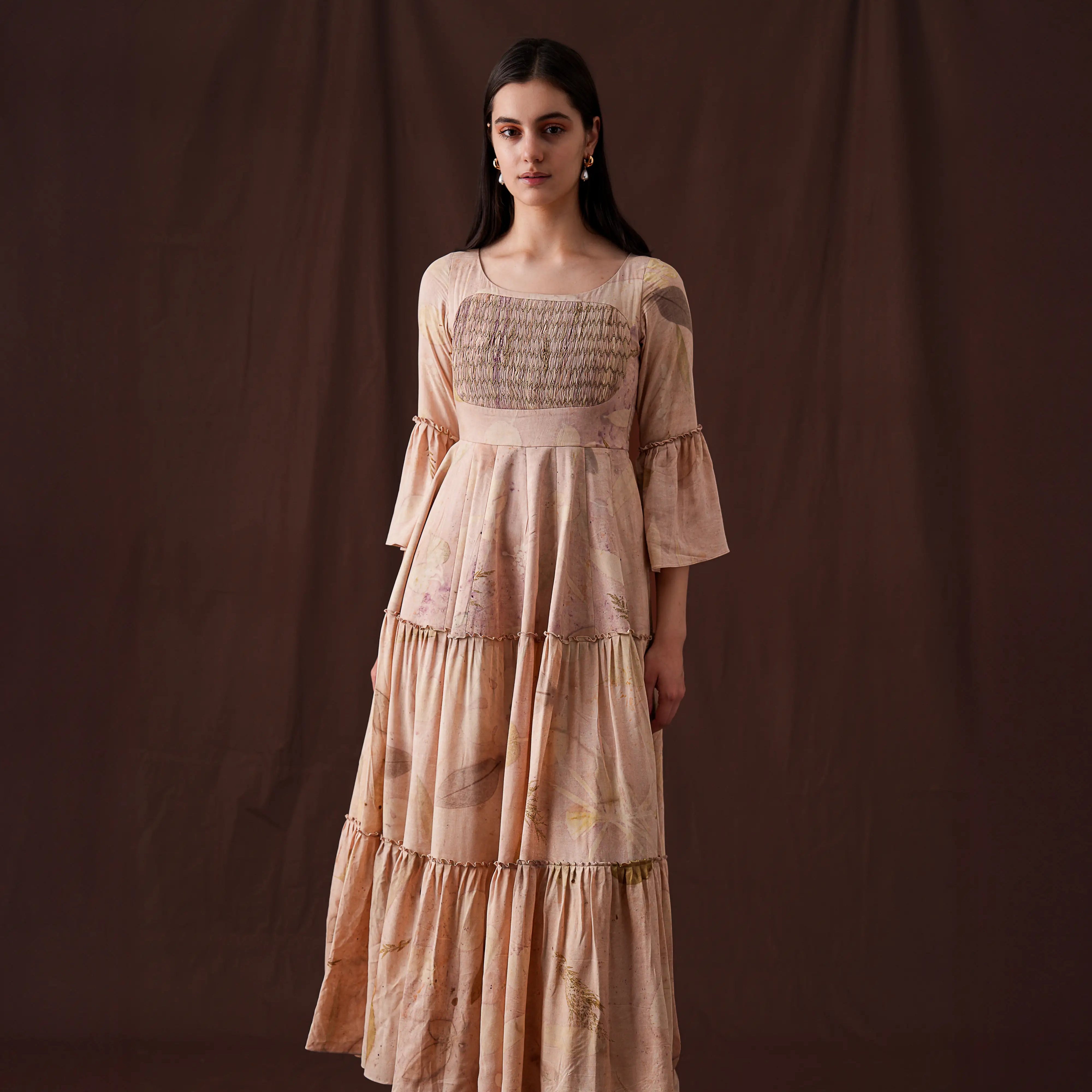
Unlike chemical dyes, natural dyes create soft, earthy hues with gentle variations, giving each fabric a unique character. This individuality is one of the reasons natural-dyed textiles are gaining renewed appreciation today.
Why Is Sustainability Driving the Revival of Natural Dyes?
One of the primary reasons natural-dyed fabrics are making a comeback is their environmental benefit. Synthetic dyes are known to pollute water bodies and release harmful chemicals during the manufacturing process. Natural dyes, on the other hand, are biodegradable and far less damaging to the ecosystem.
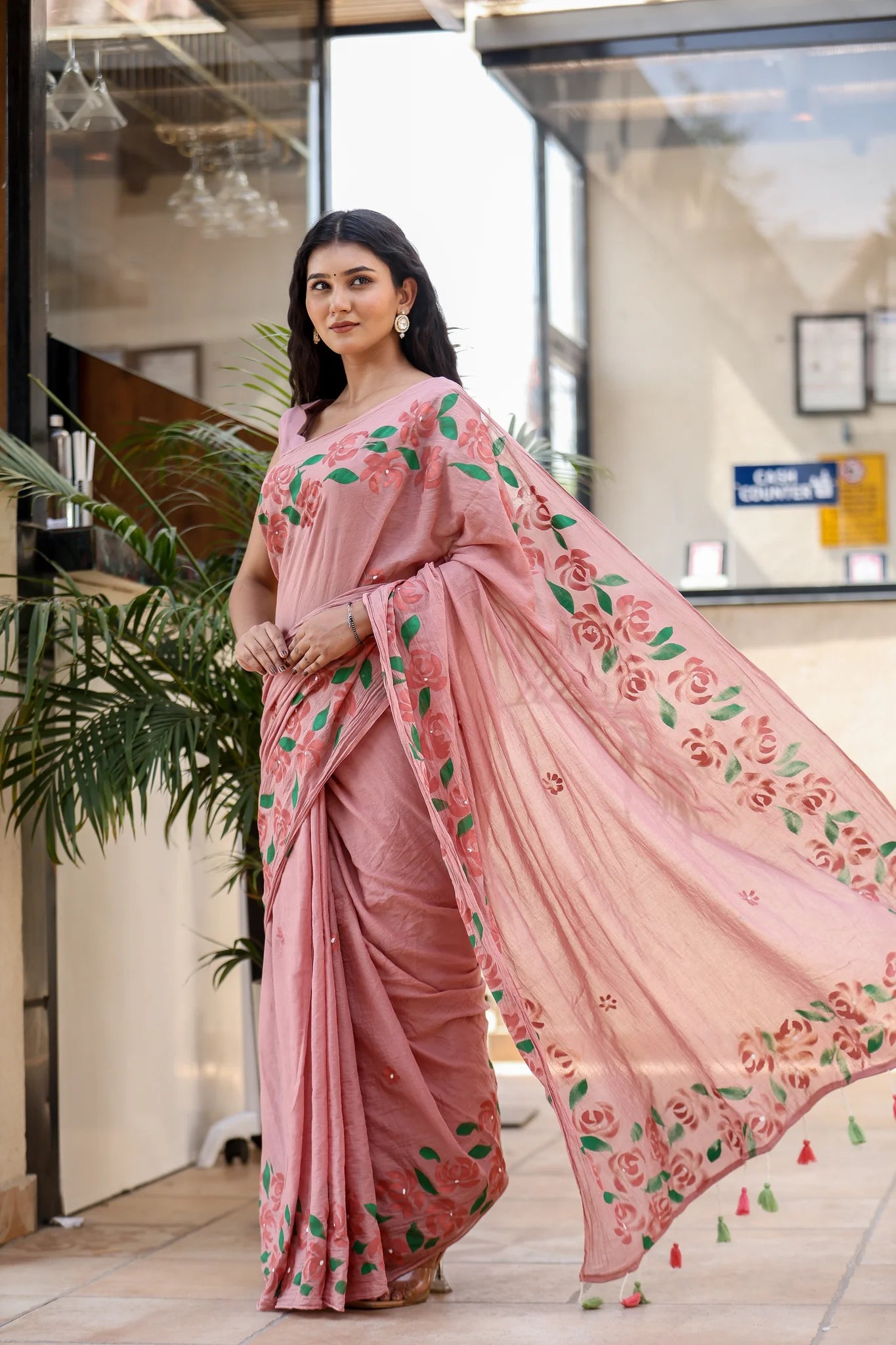
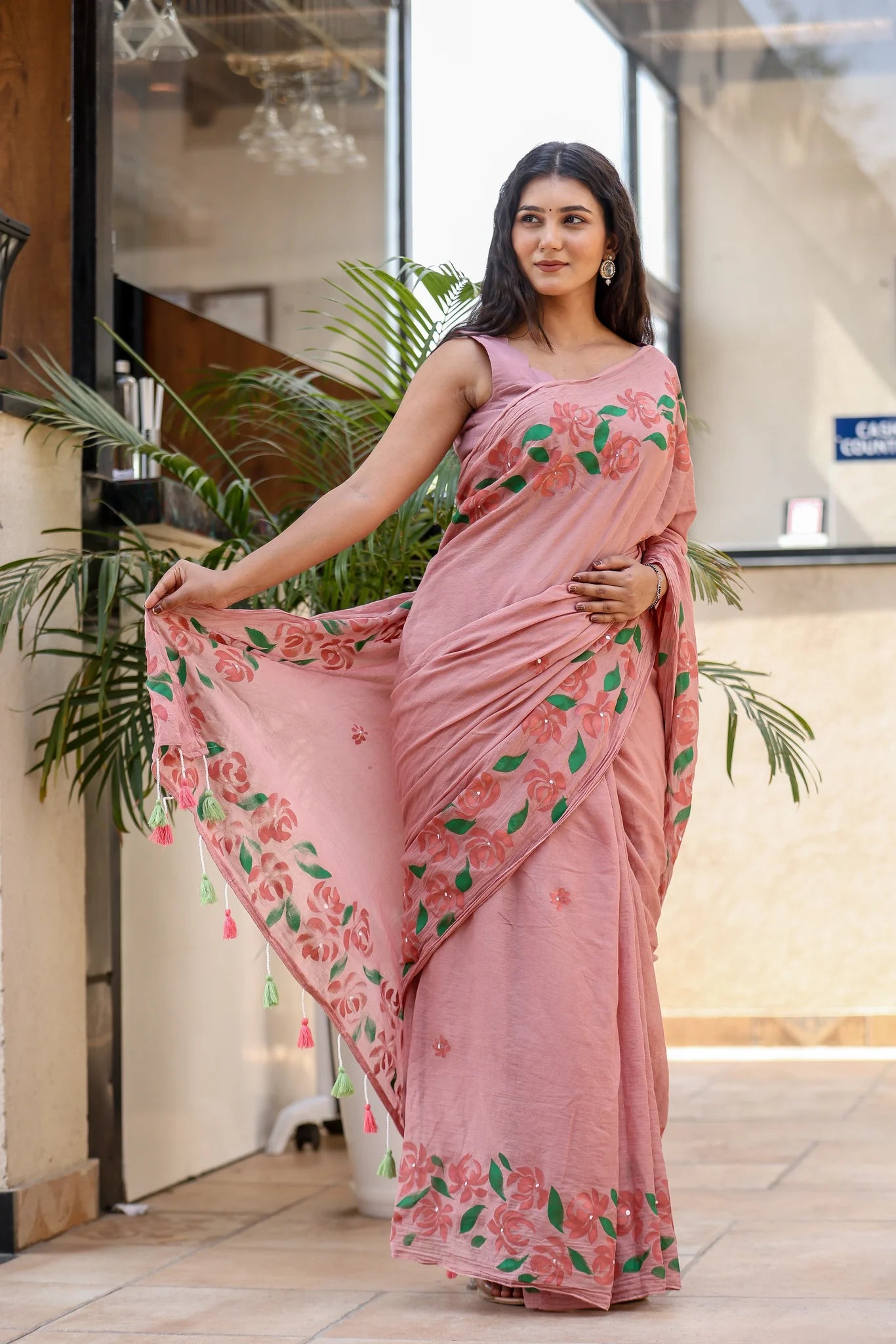
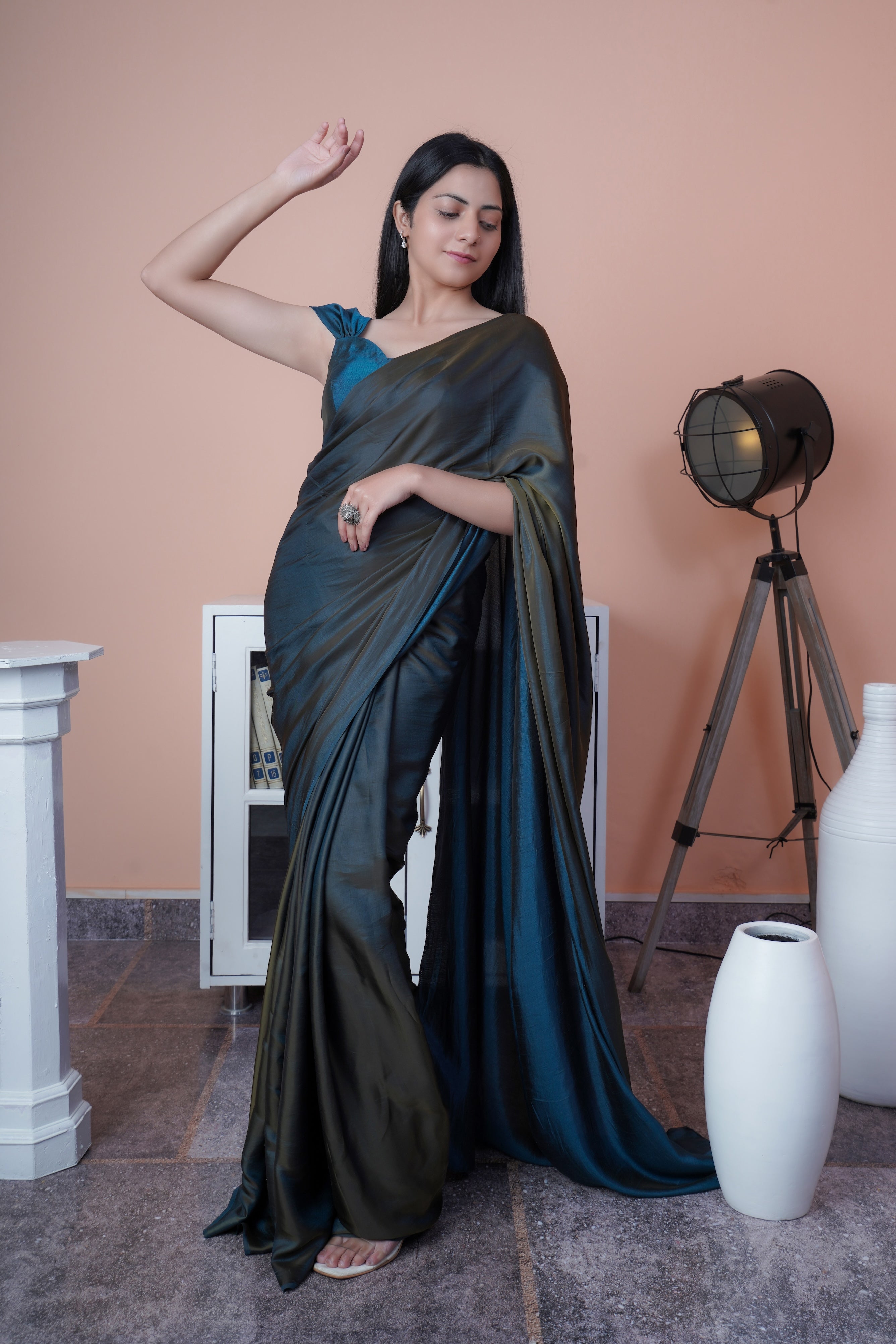
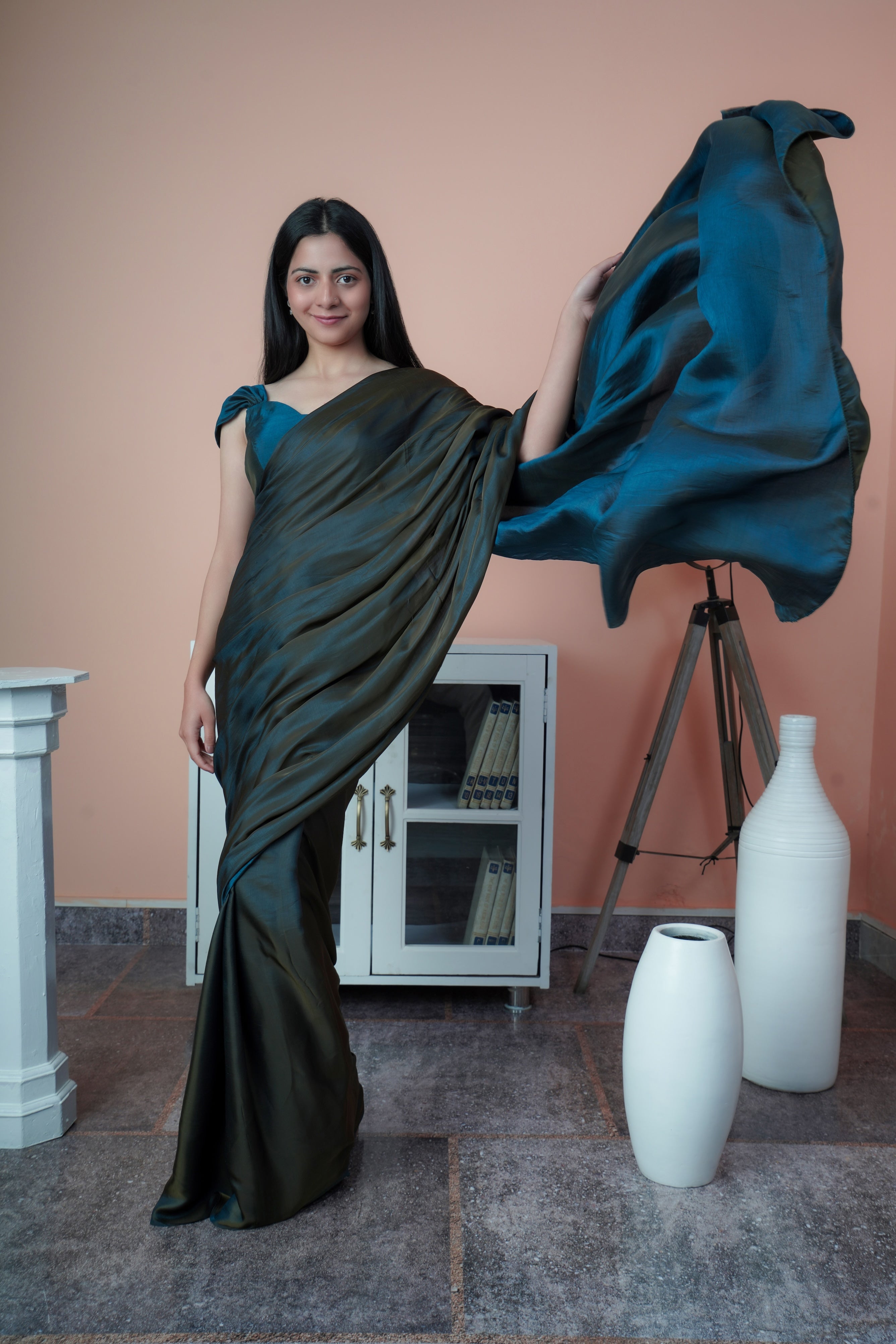
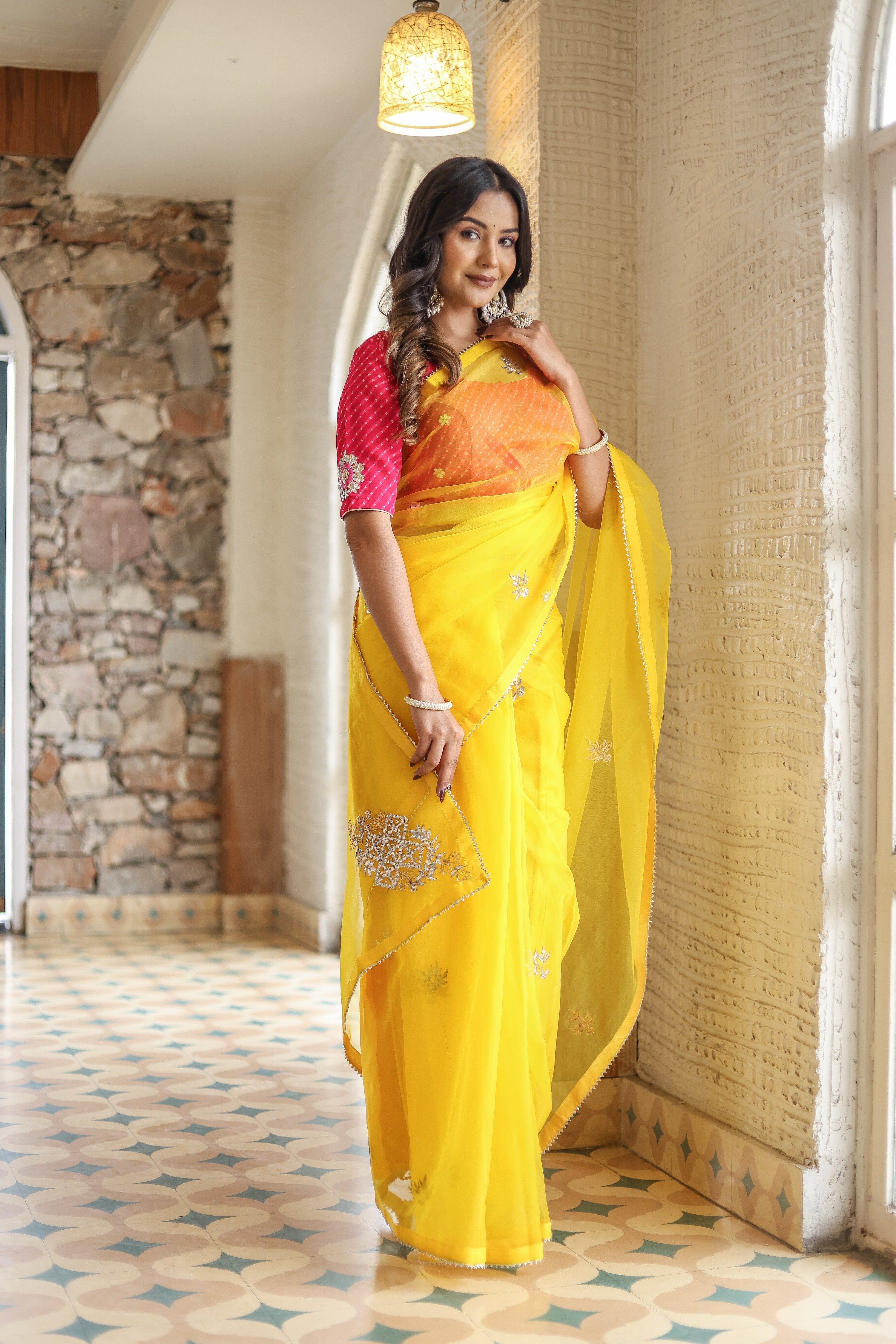
In ethnic wear, especially in sarees made from cotton and silk, natural dyes help preserve the fabric’s breathability and softness while reducing chemical residue. This makes natural-dyed sarees a more sustainable option for both everyday and festive wear.
How Do Natural Dyes Enhance Comfort and Skin-Friendliness?
Comfort plays a key role in modern fashion choices. Synthetic dyes can sometimes cause skin irritation or discomfort, particularly in garments worn for long hours. Natural-dyed fabrics are generally gentler on the skin, making them suitable for sensitive skin types.
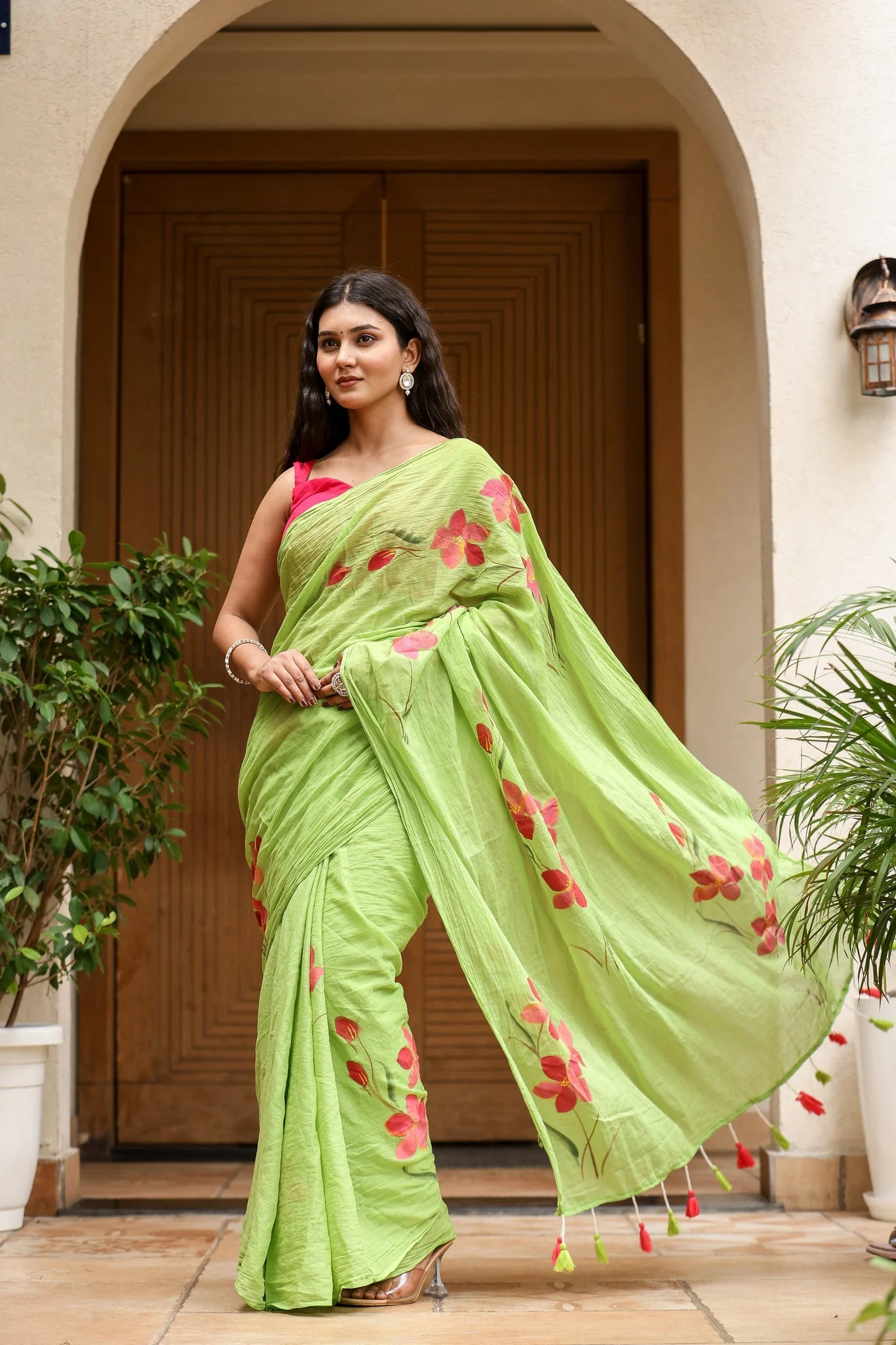
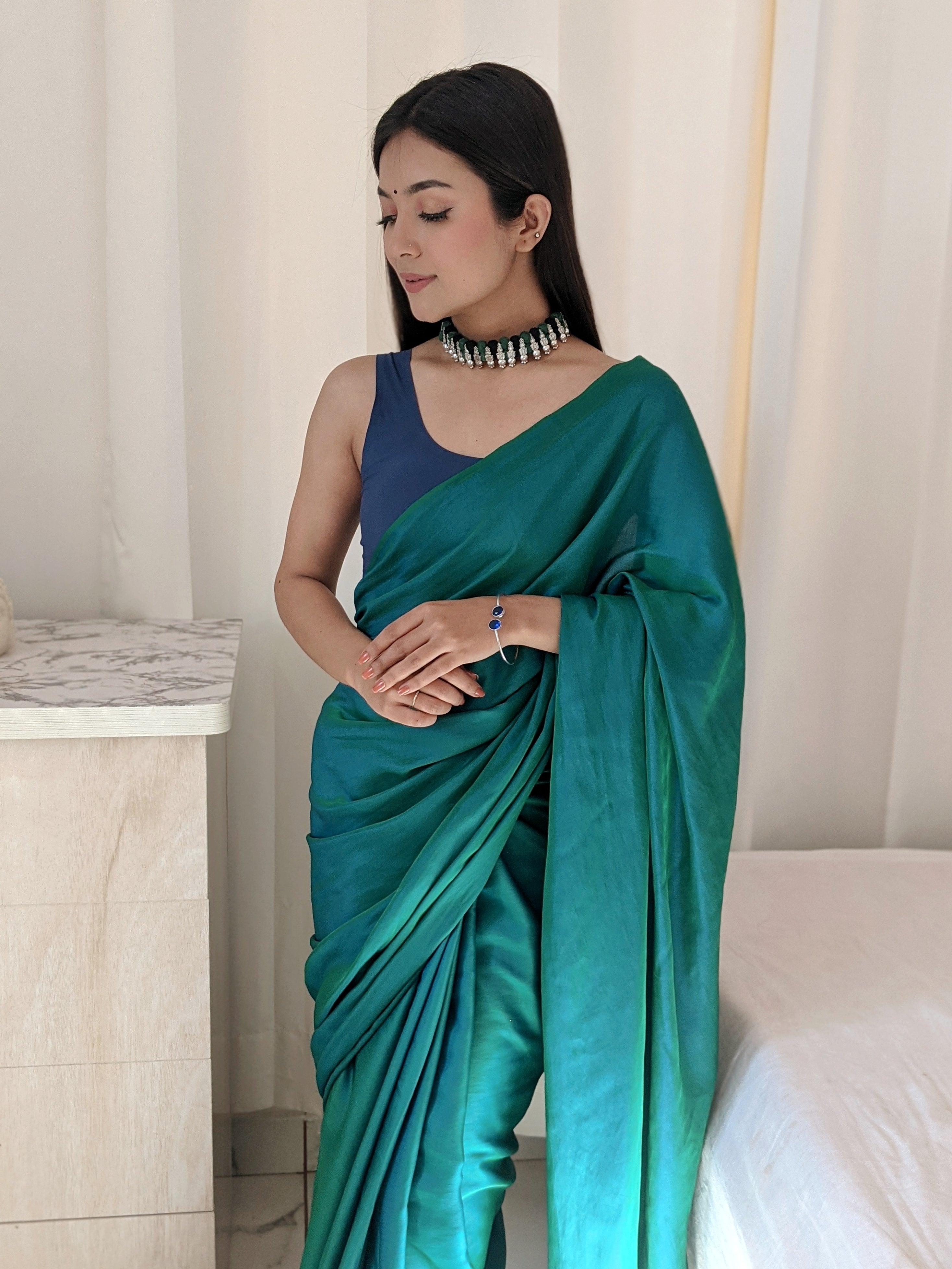
Sarees crafted using natural dyes, especially cotton sarees and cotton silk sarees, offer a comfortable drape, making them ideal for warm climates and extended wear. This balance of comfort and elegance adds to their growing popularity.
What Makes Natural-Dyed Sarees Visually Appealing?
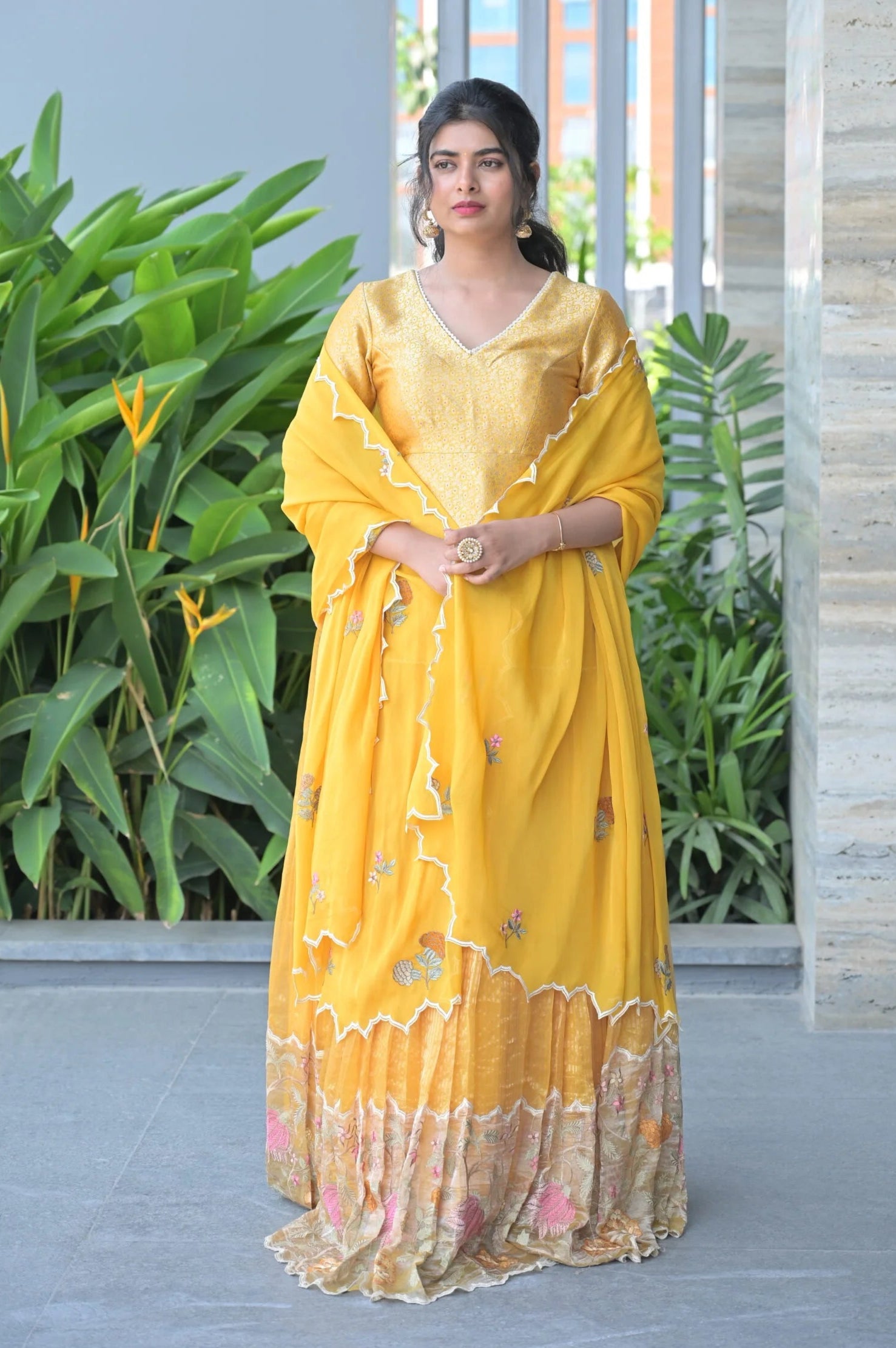
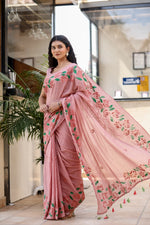
Natural dyes produce tones that feel organic and timeless rather than overly bright or artificial. Earthy shades, muted festive colours, and soft contrasts look especially elegant on sarees, where the fabric surface allows the dye to express depth and texture.
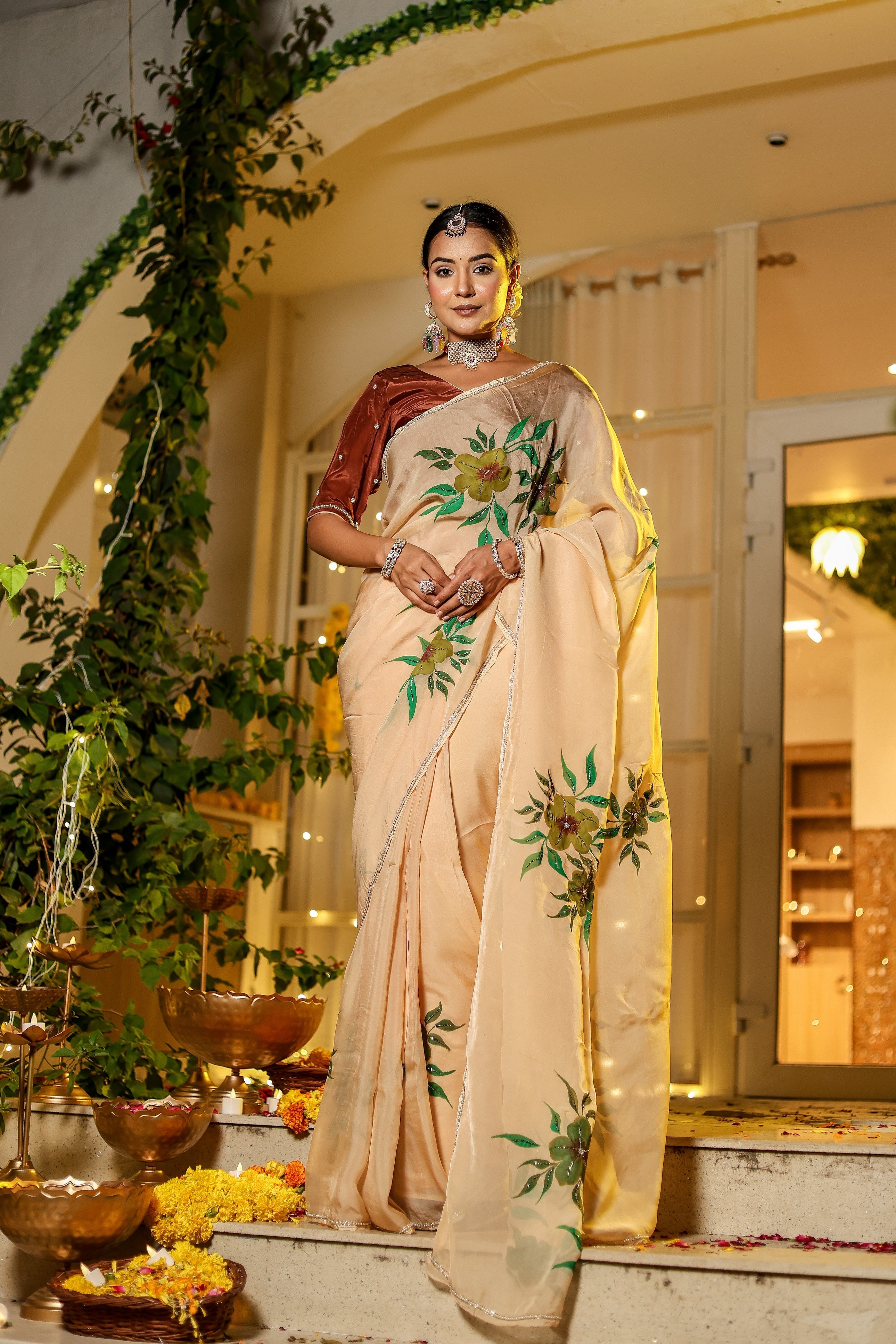
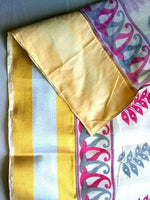
Printed sarees and handloom sarees benefit greatly from natural dyeing techniques, as the colours blend seamlessly with traditional motifs and artisanal weaves. The result is a refined look that feels understated yet distinctive.
How Do Natural-Dyed Fabrics Preserve Cultural Heritage?
The revival of natural dyes is closely linked to the preservation of traditional craftsmanship. Many artisans continue to practice age-old dyeing techniques passed down through generations. Choosing naturally dyed textiles supports these communities and keeps heritage textile practices alive.
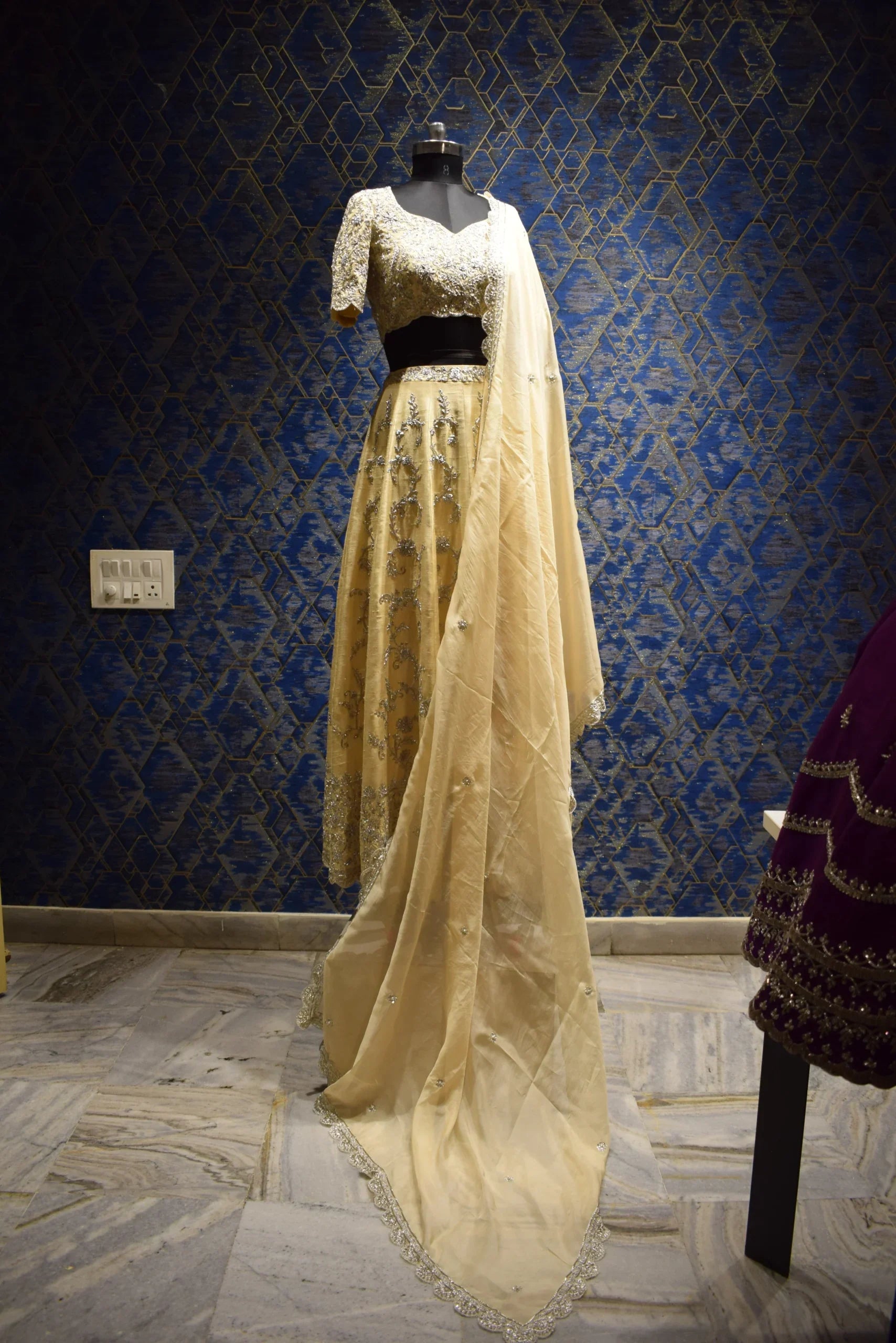
Traditional sarees dyed using natural methods carry stories of regional culture, craftsmanship, and sustainable living values that resonate strongly with today’s conscious consumers.
Why Are Natural-Dyed Sarees a Conscious Fashion Choice?
Natural-dyed sarees bring together sustainability, comfort, and timeless style. Whether worn for everyday elegance, home celebrations, or festive occasions, they offer versatility without compromising on values.
Their ability to age gracefully, maintain fabric integrity, and reflect artisanal beauty makes them a meaningful addition to a modern ethnic wardrobe. As consumers seek fashion that aligns with personal values, natural-dyed sarees stand out as a thoughtful and enduring choice.
The Future of Natural-Dyed Fashion
The comeback of natural-dyed fabrics signals a broader shift in fashion, one that values quality over quantity and heritage over trends. As awareness grows, natural dyes are no longer viewed as a niche alternative but as a responsible and stylish direction for the future of fashion.