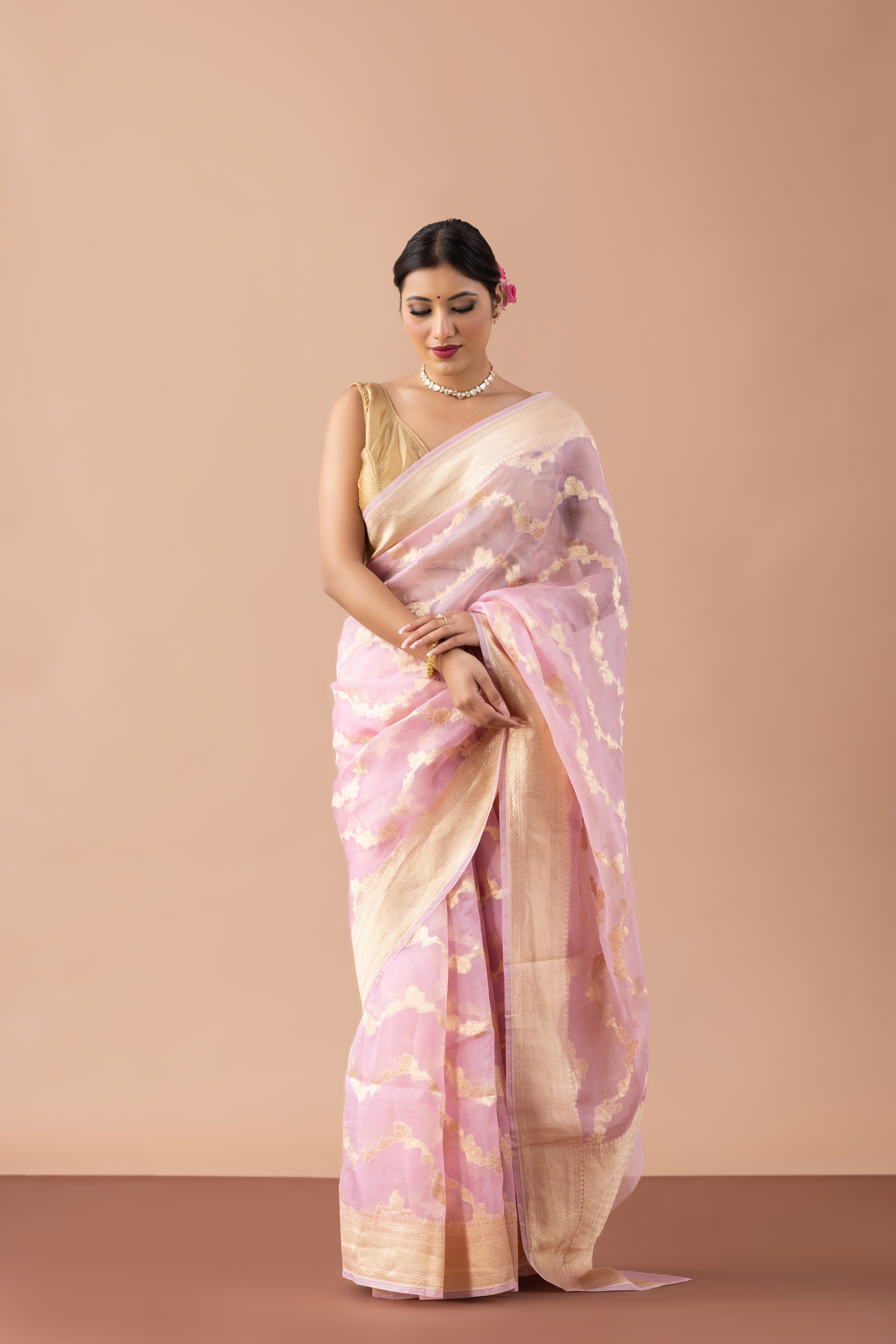
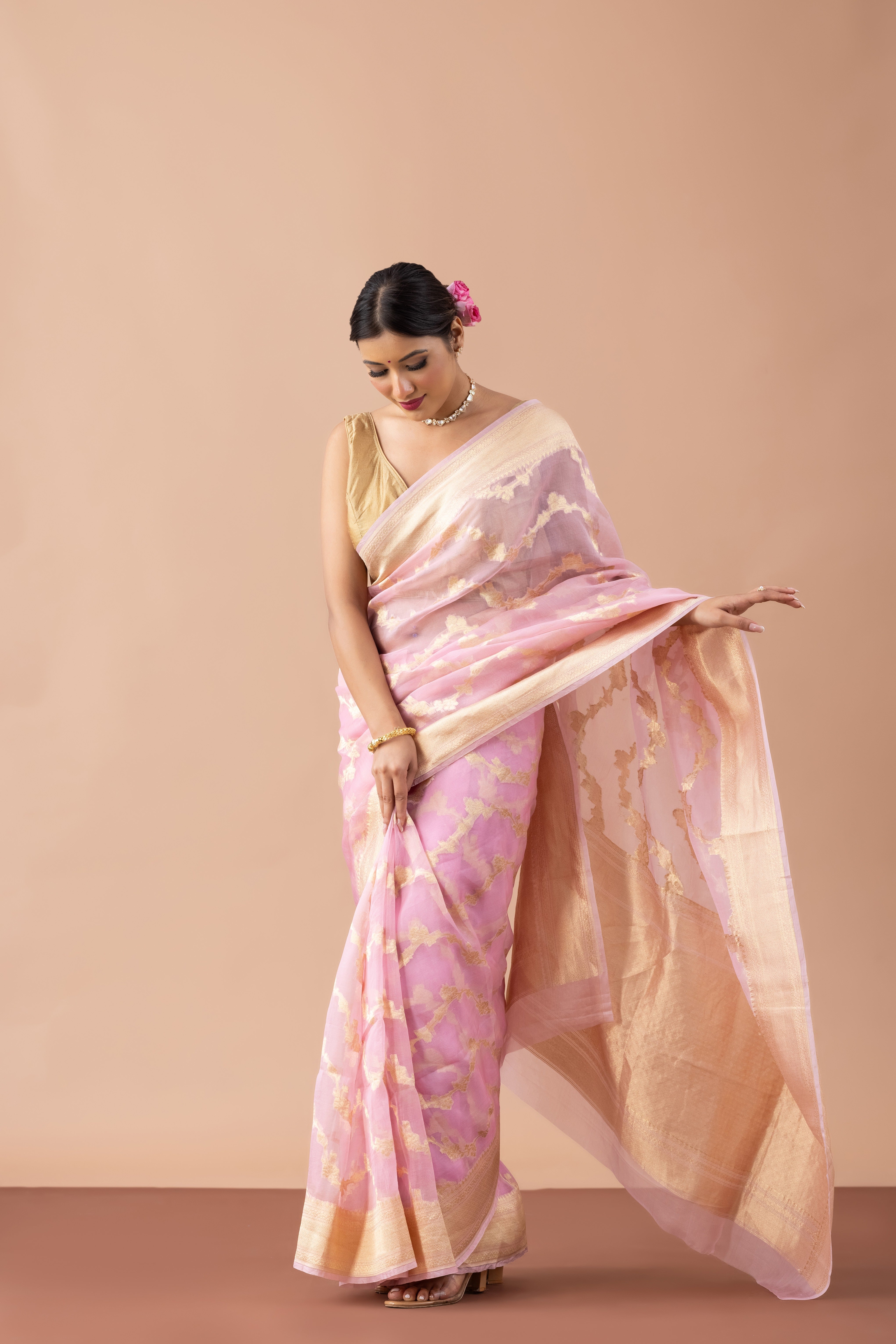
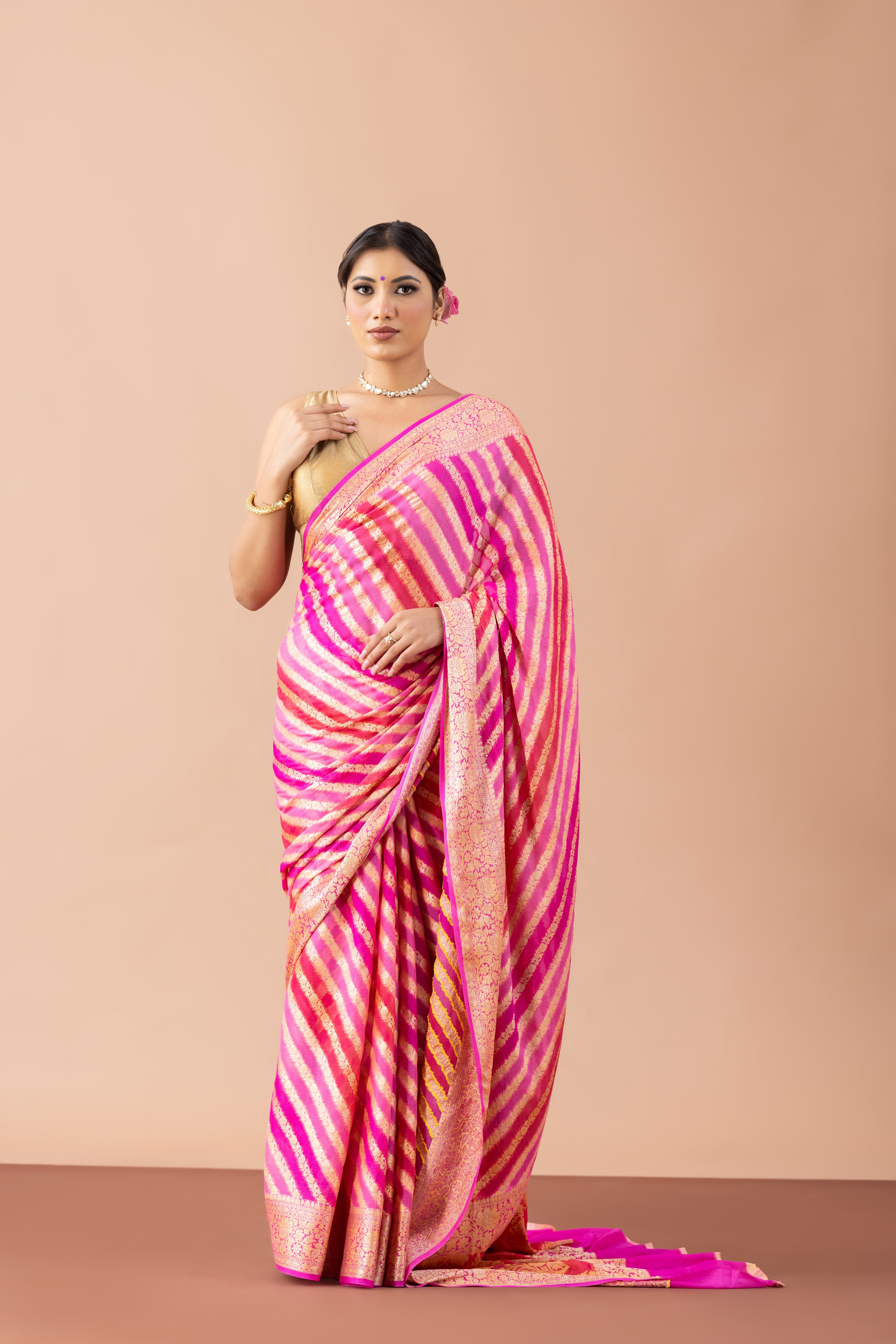
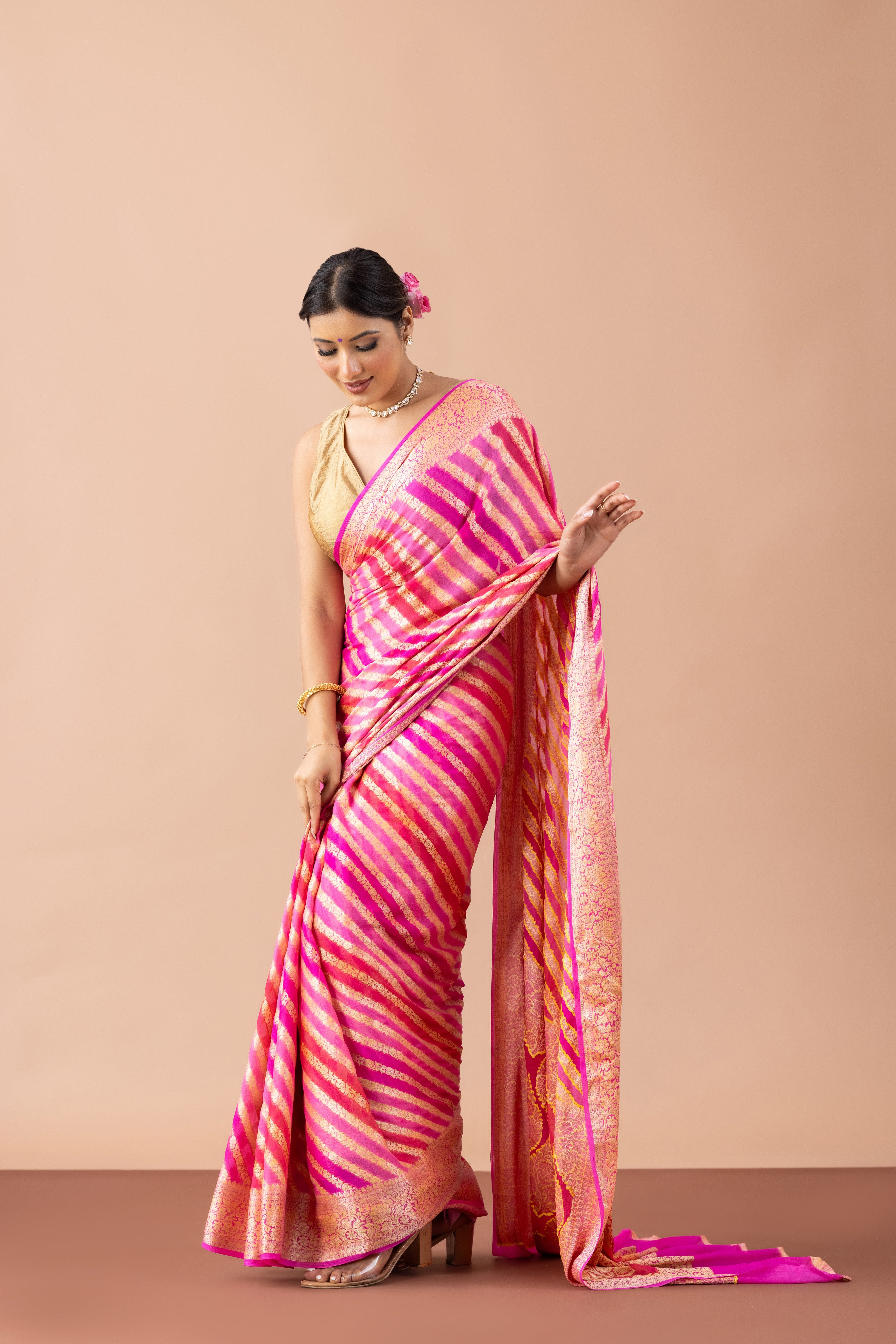
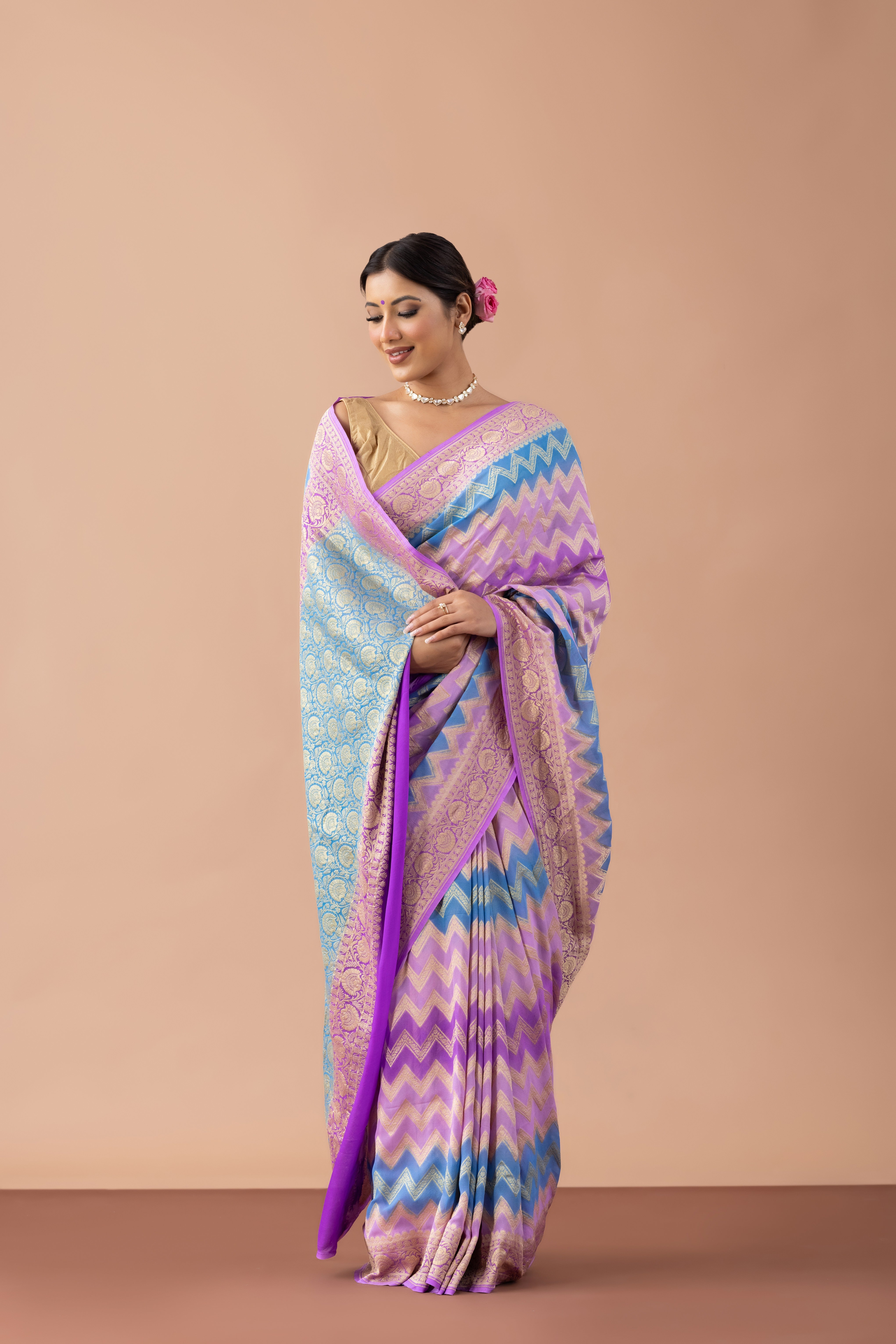
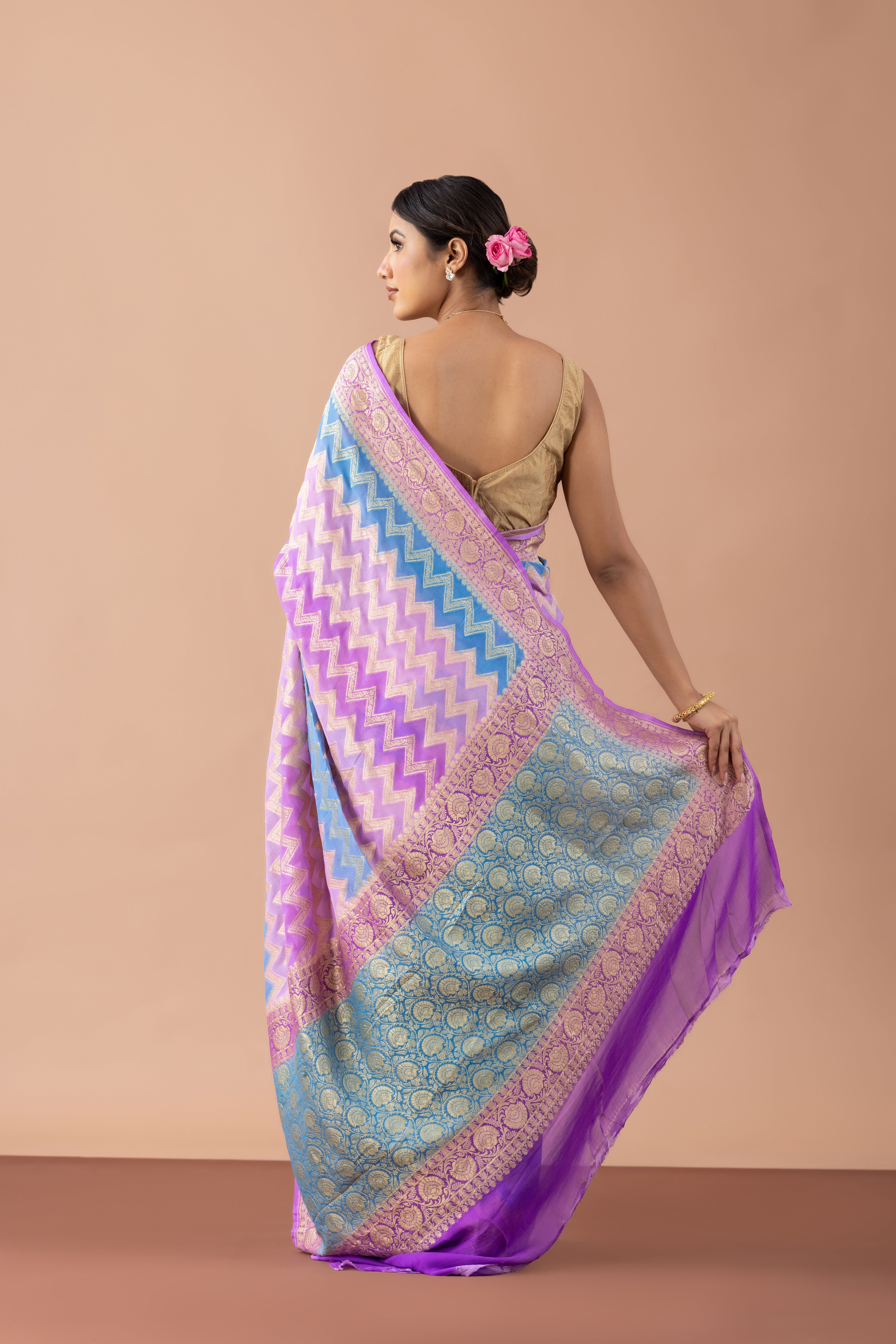
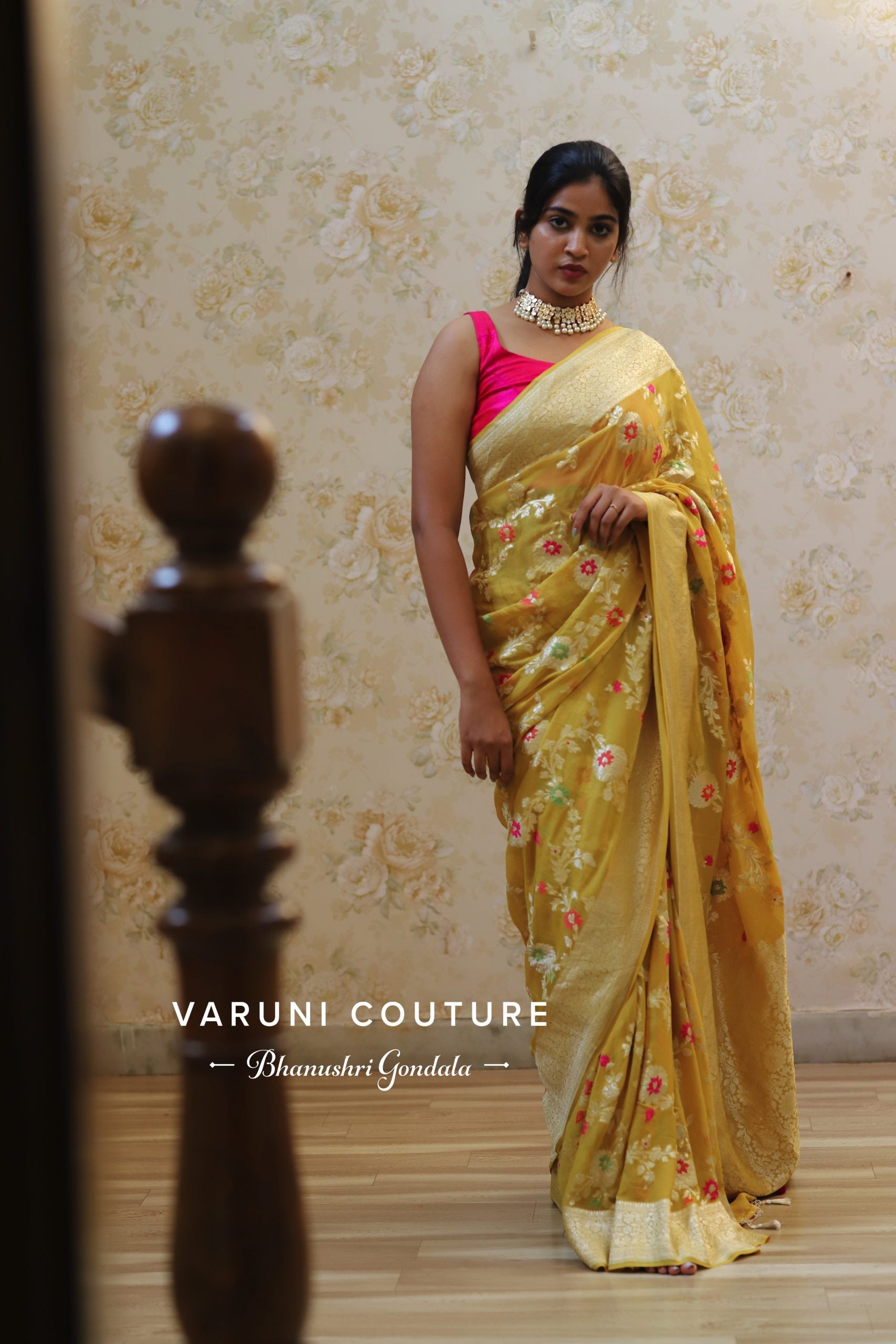
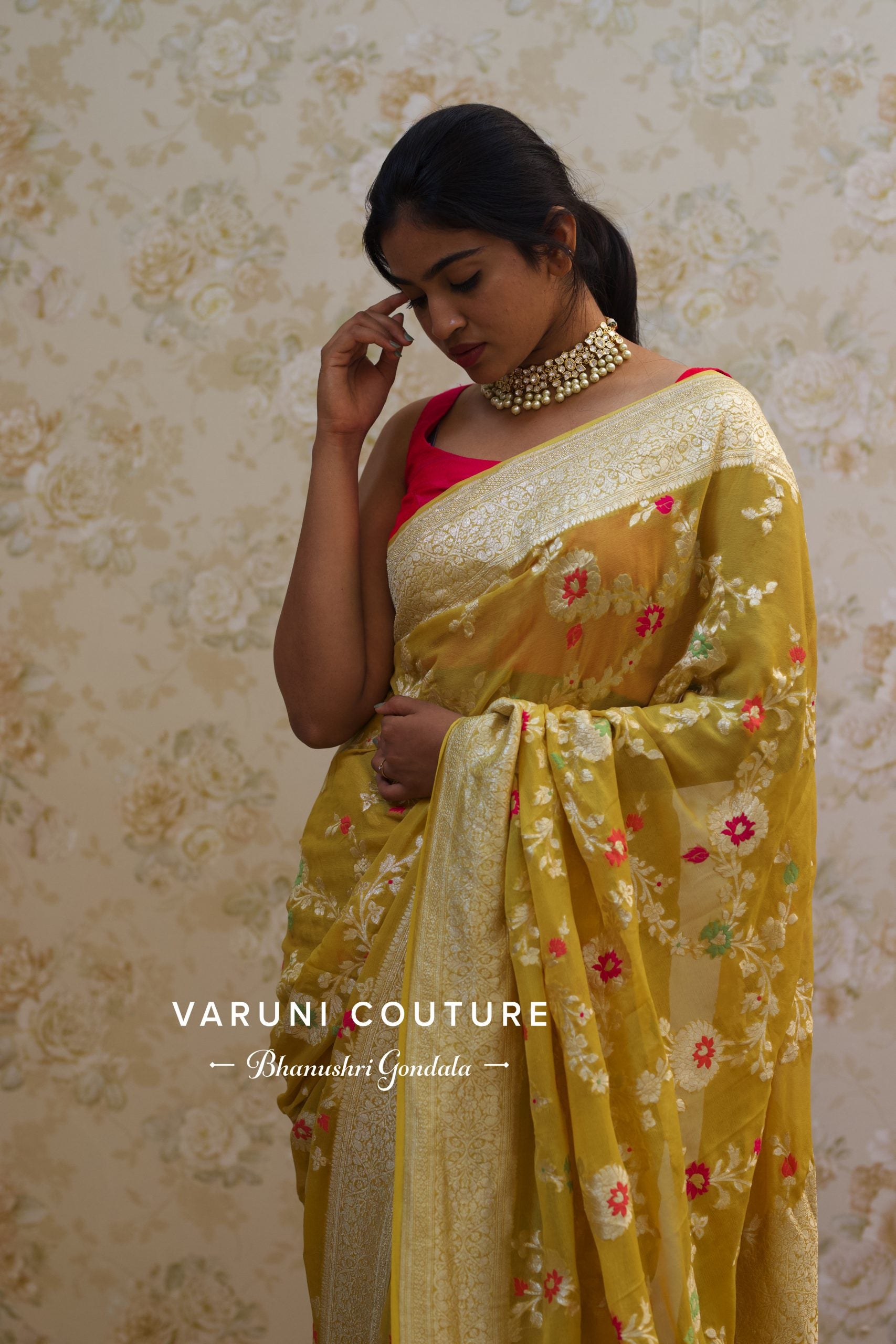
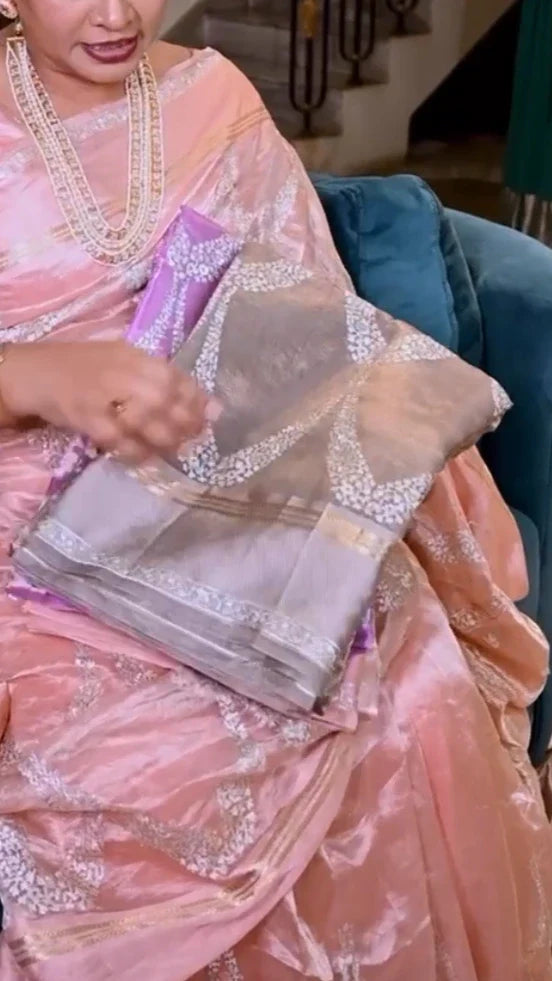
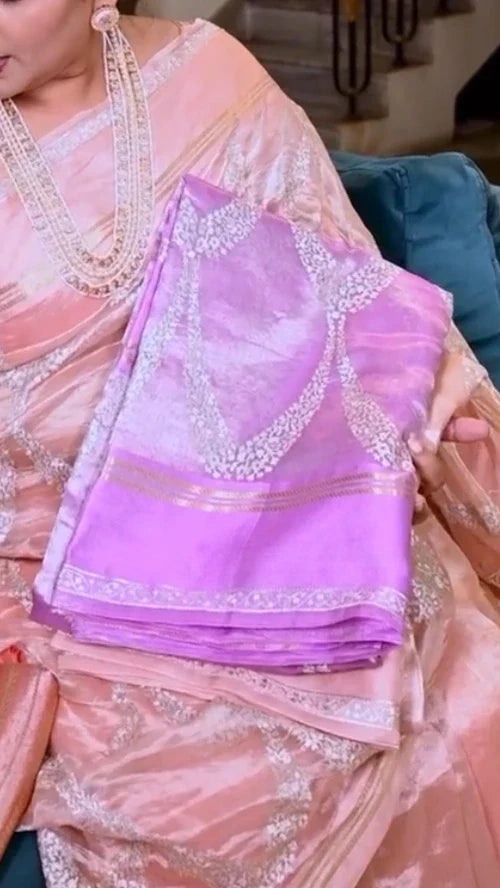
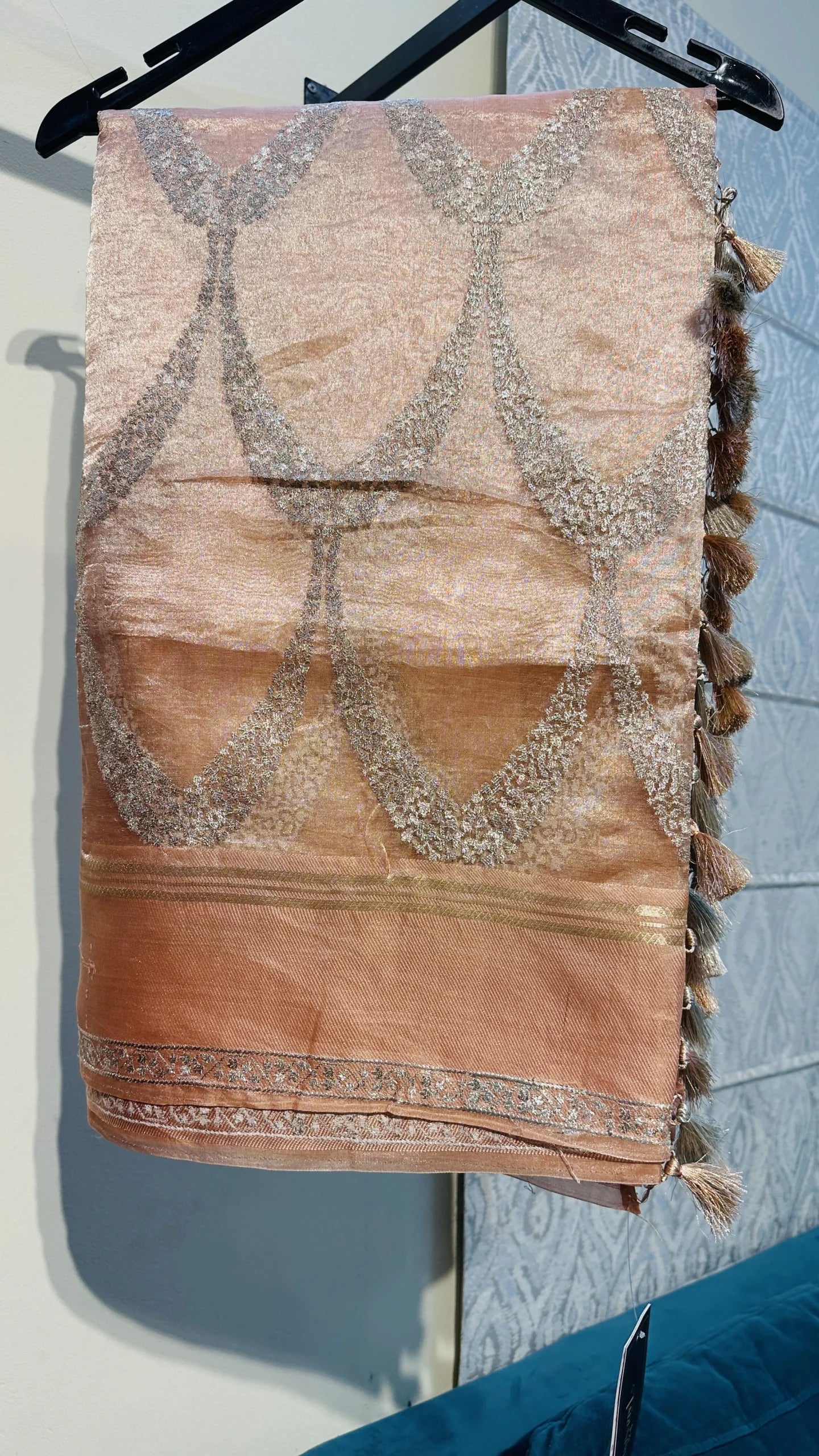
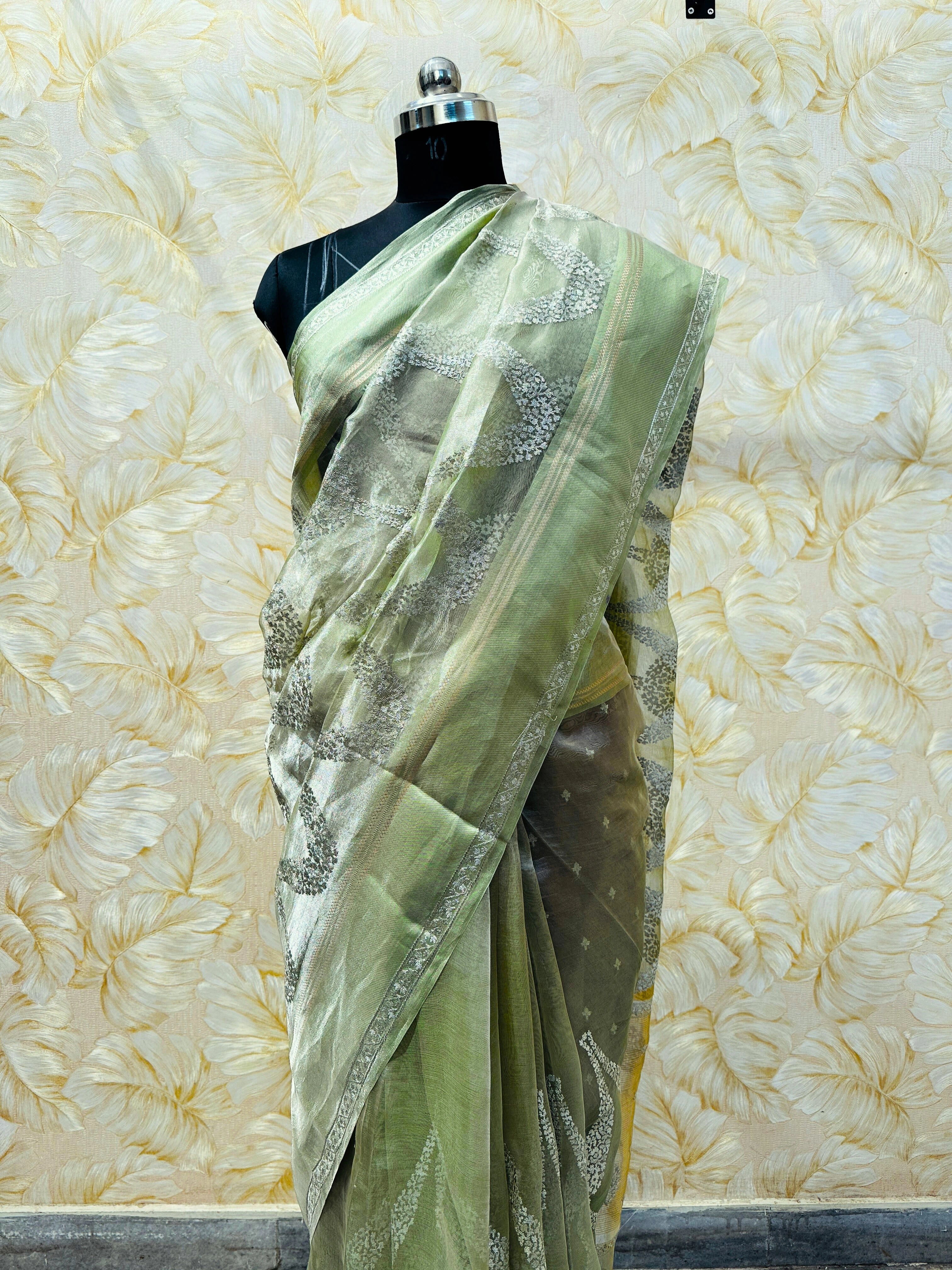
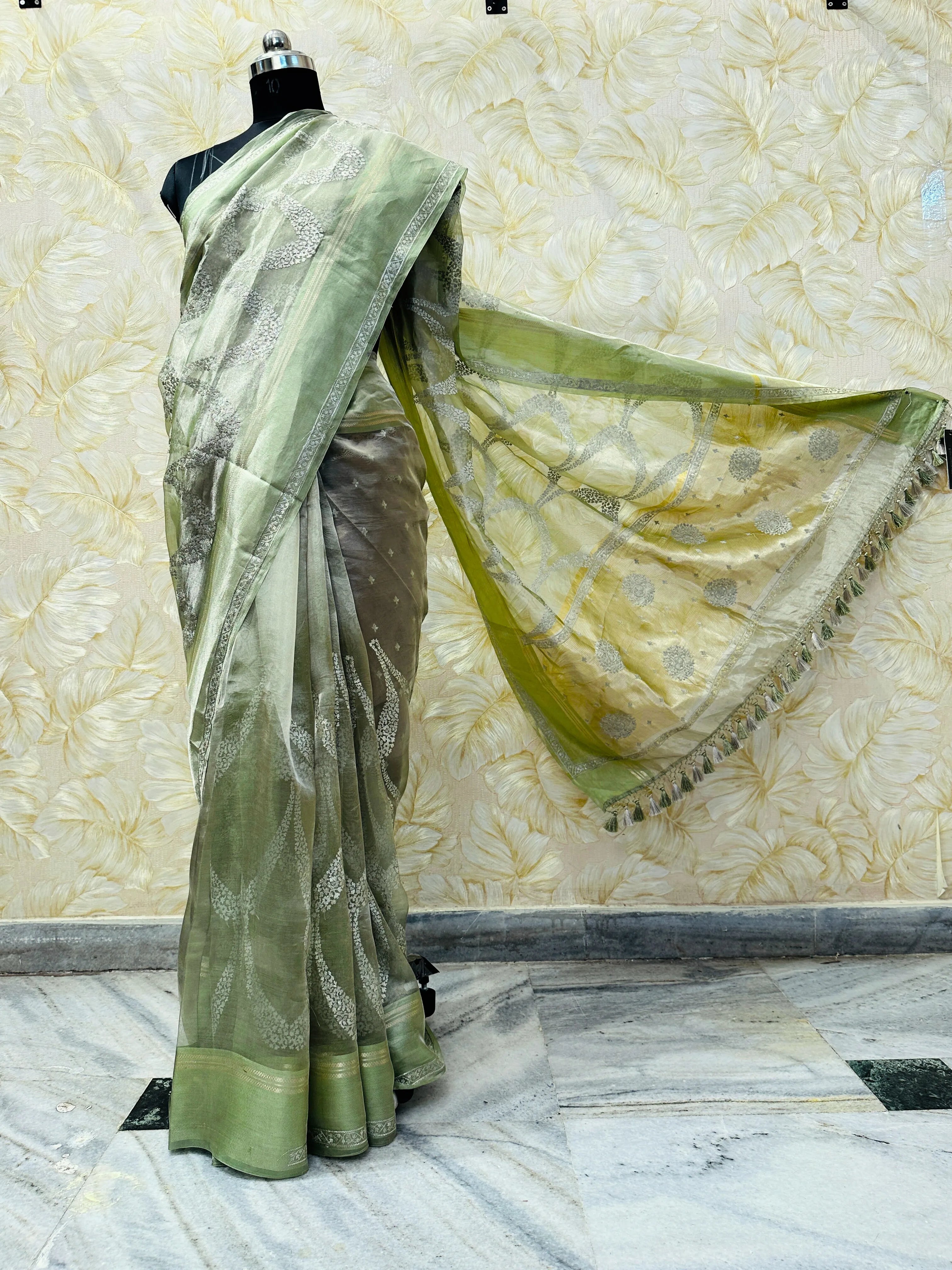
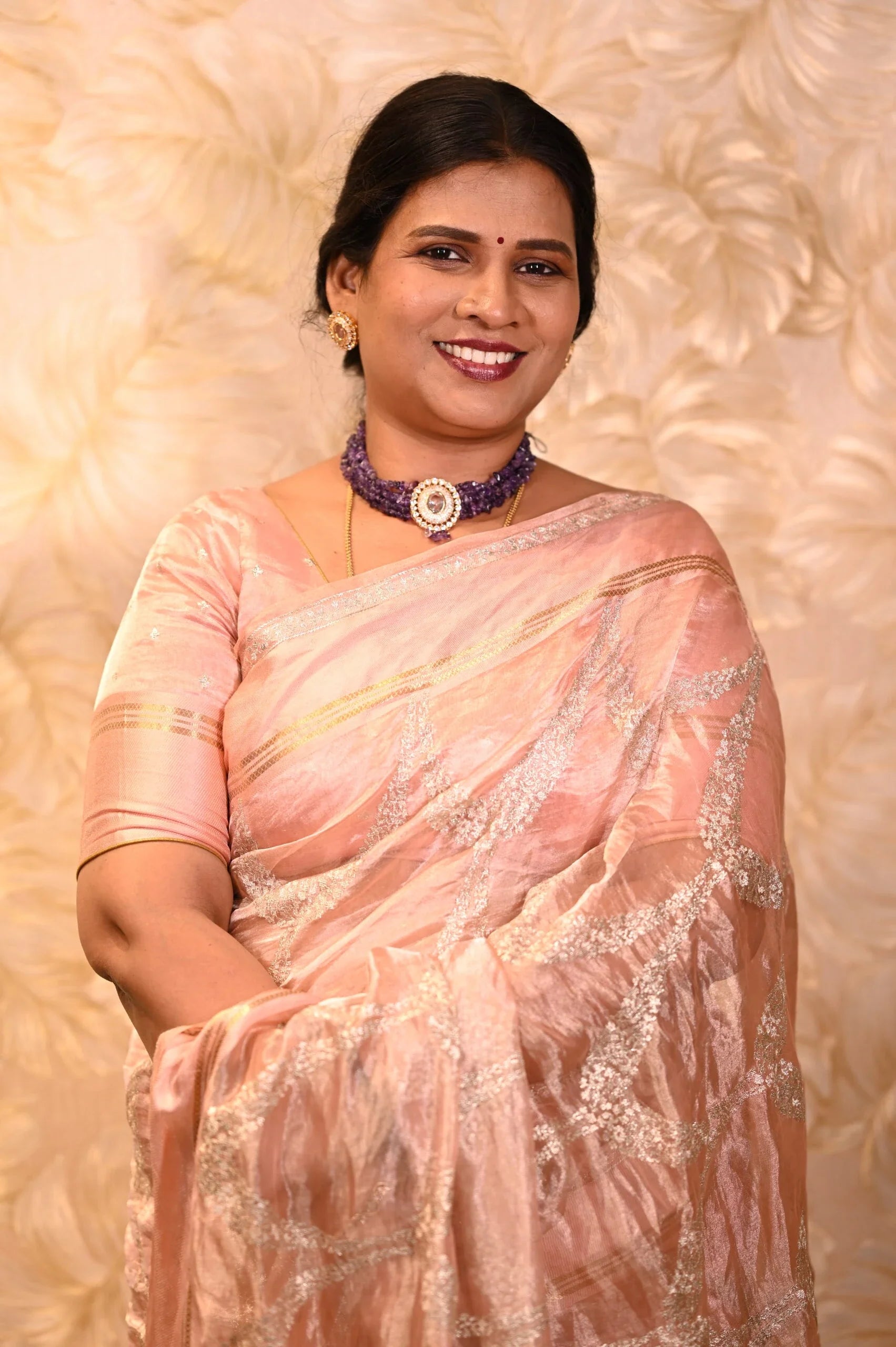
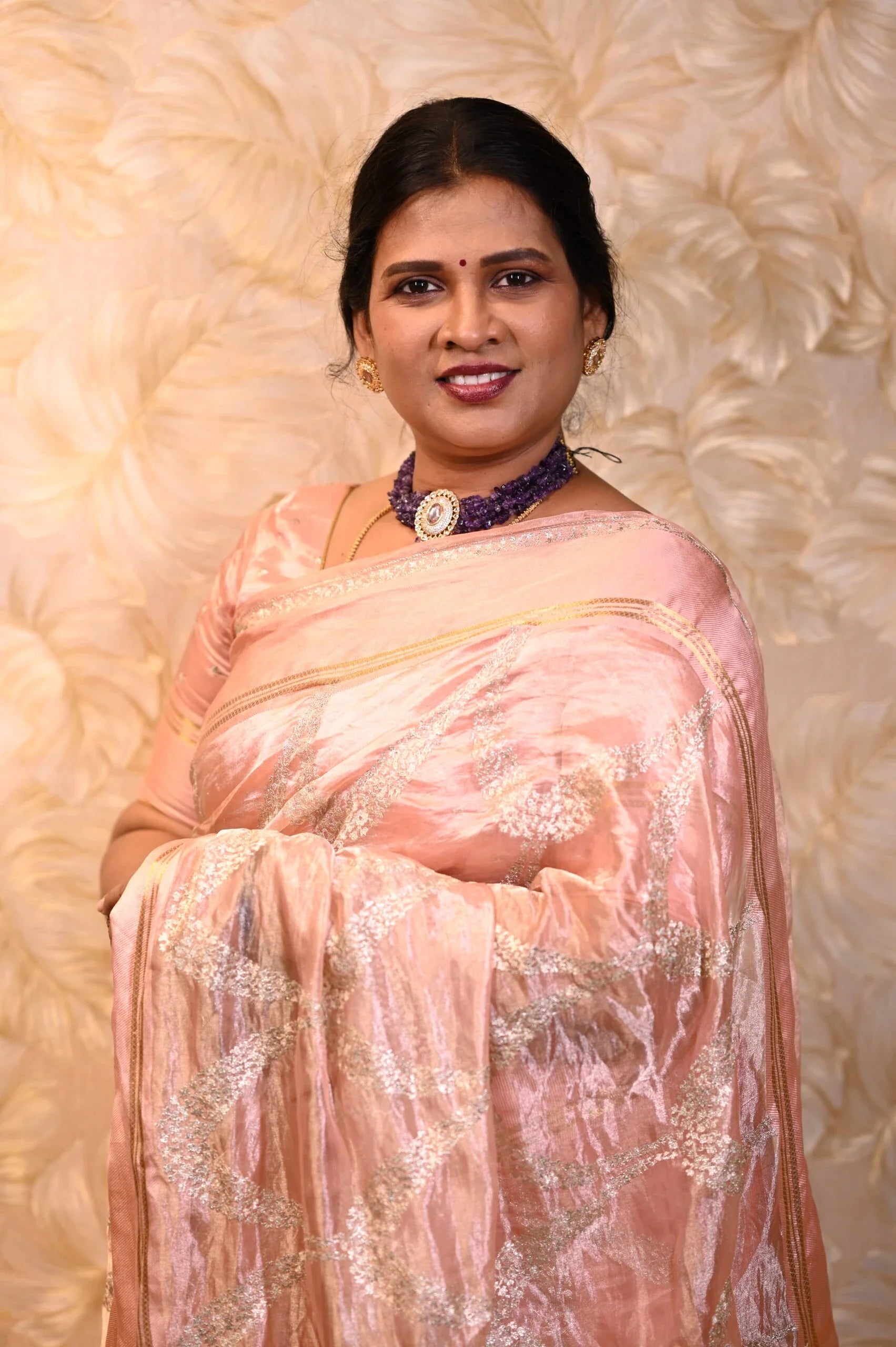
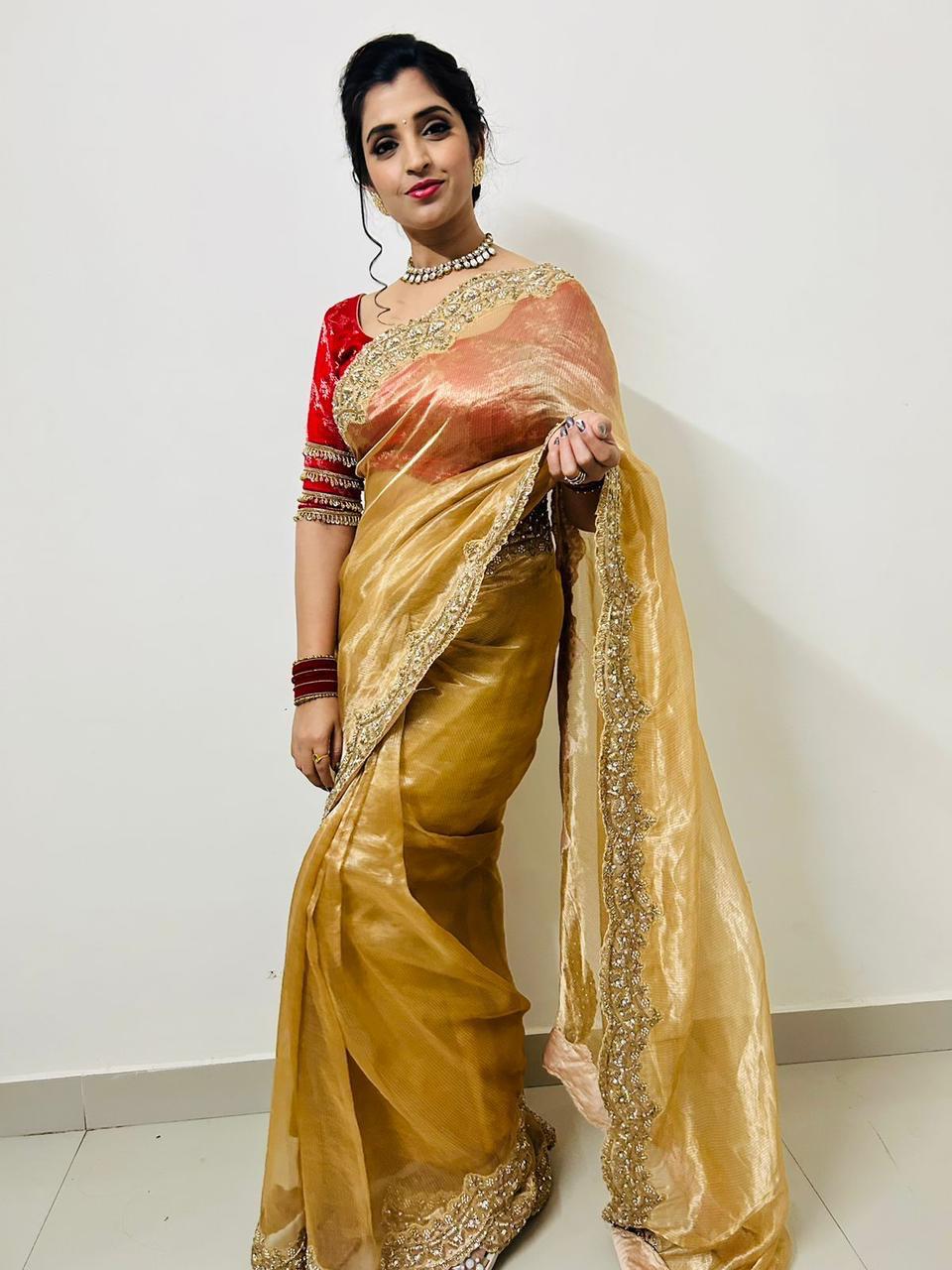
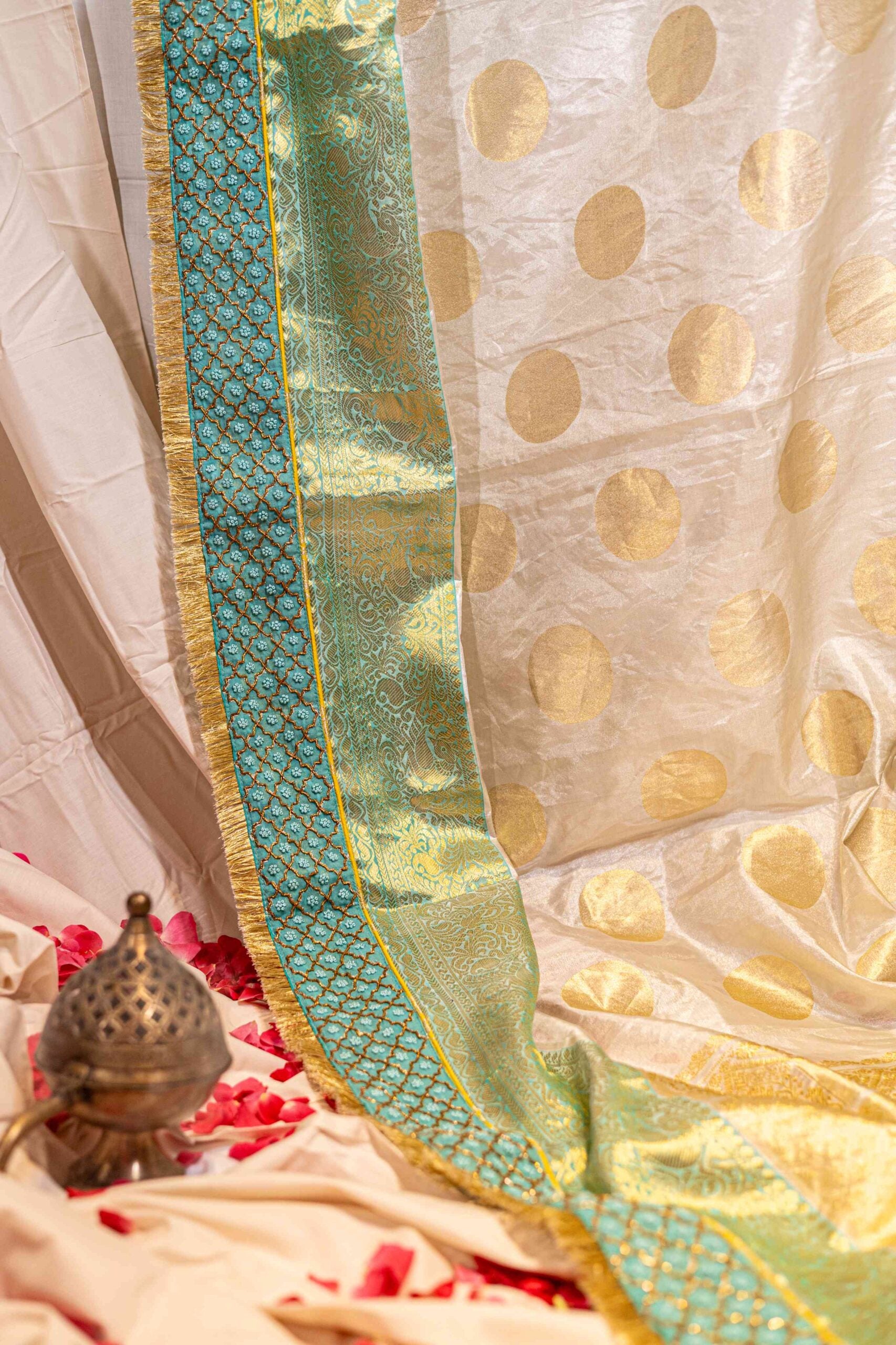
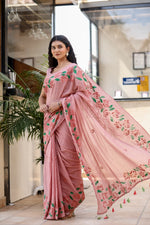
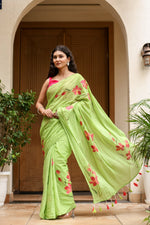
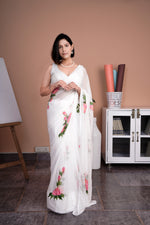
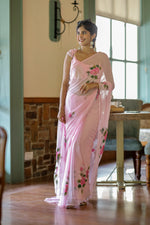
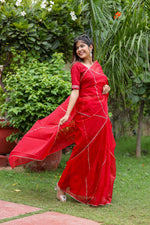
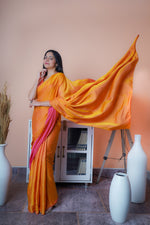
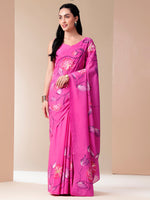
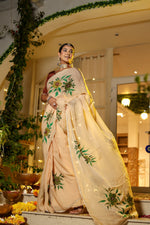
Banaras sarees, also known as Banarasi sarees, are timeless icons of Indian craftsmanship. Known for their rich silk texture, intricate zari work, and regal appeal, these sarees have gracefully evolved beyond traditional wedding wear. Today, Banaras sarees can be styled in both classic and contemporary ways, making them versatile for festive occasions, formal gatherings, and even modern celebrations. Here’s how you can style a Banaras saree to suit both traditional and modern aesthetics without losing its heritage charm.
Embracing the Traditional Elegance of a Banaras Saree
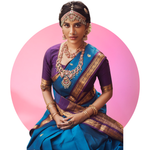
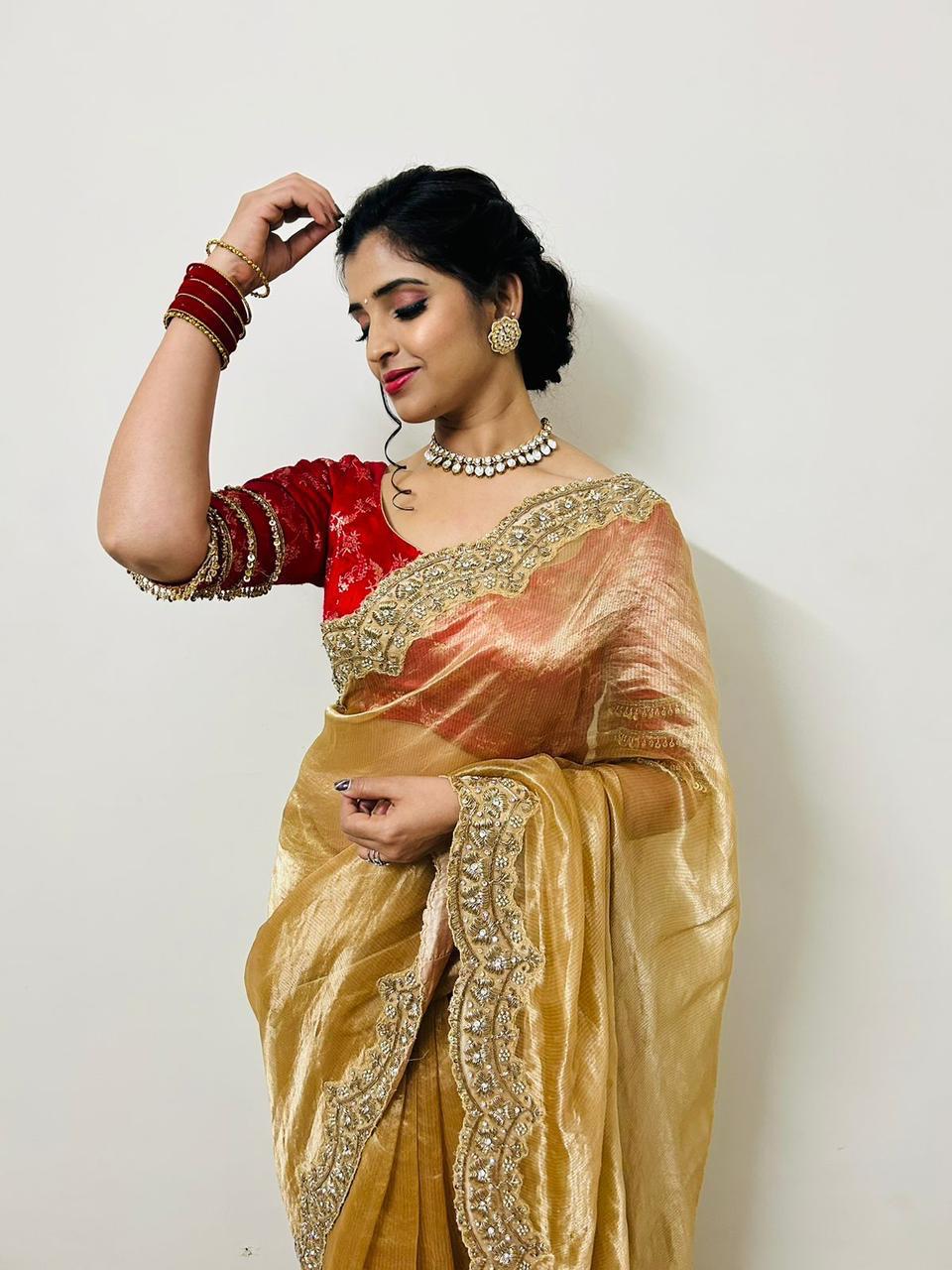
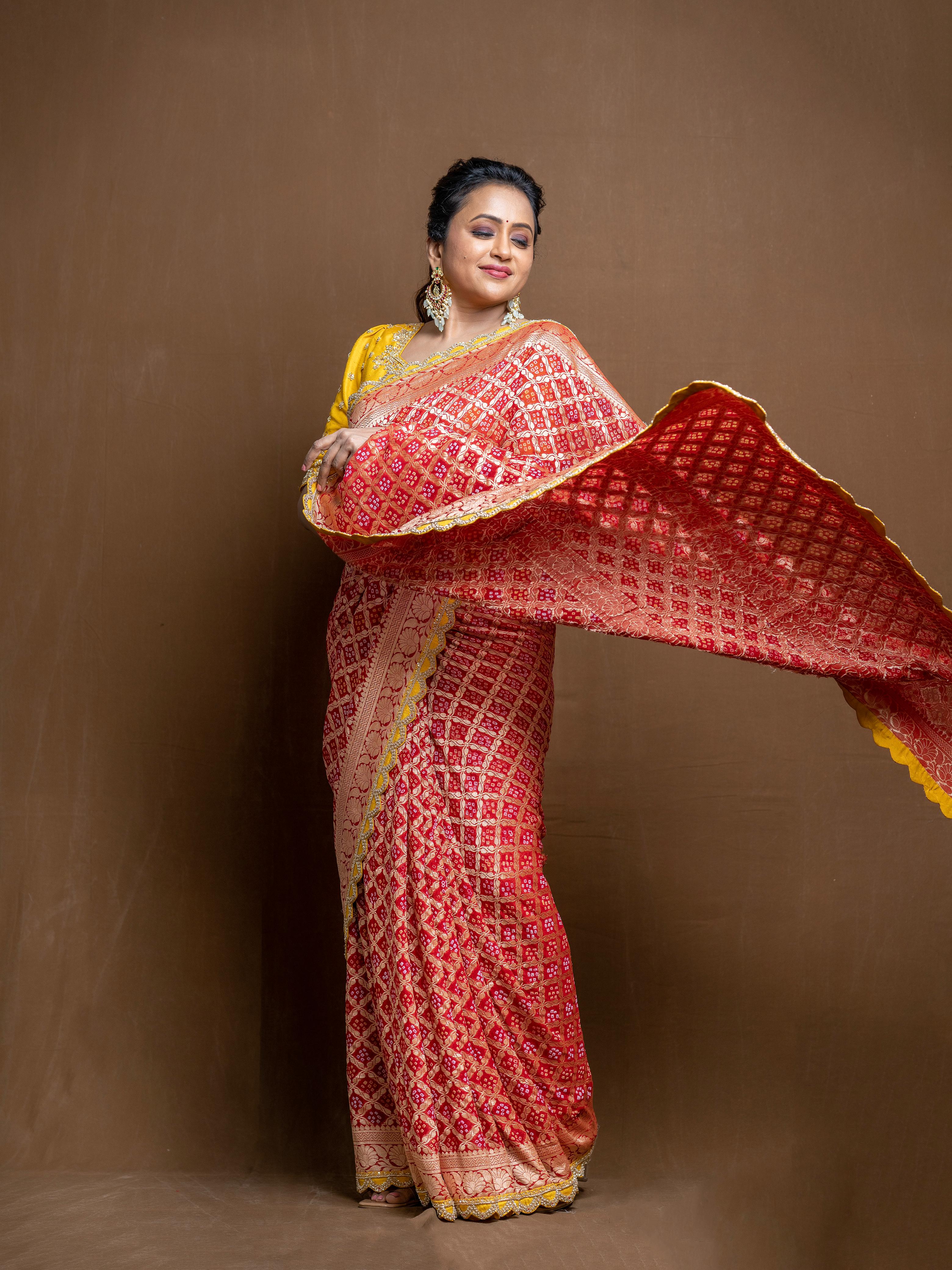
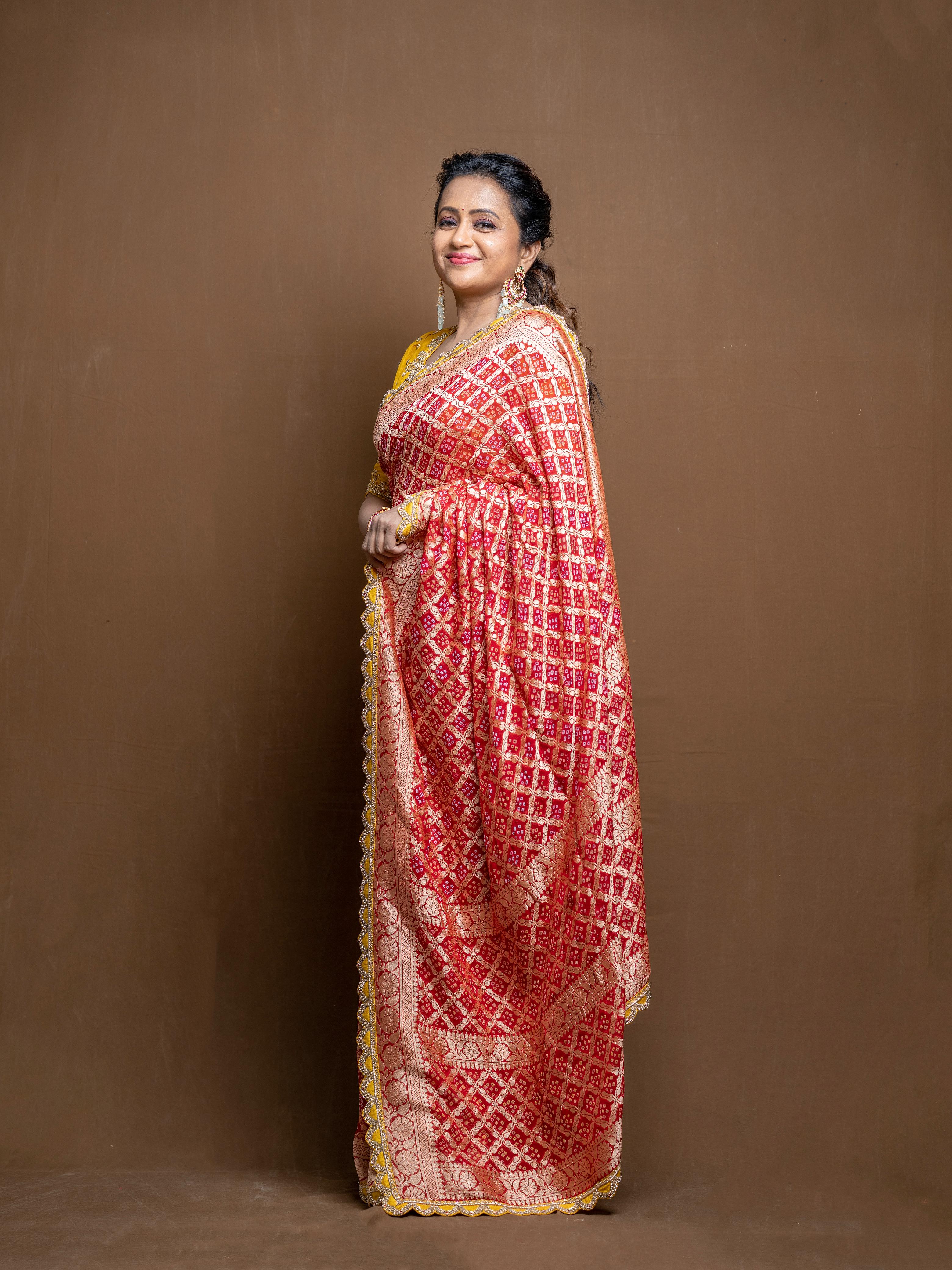
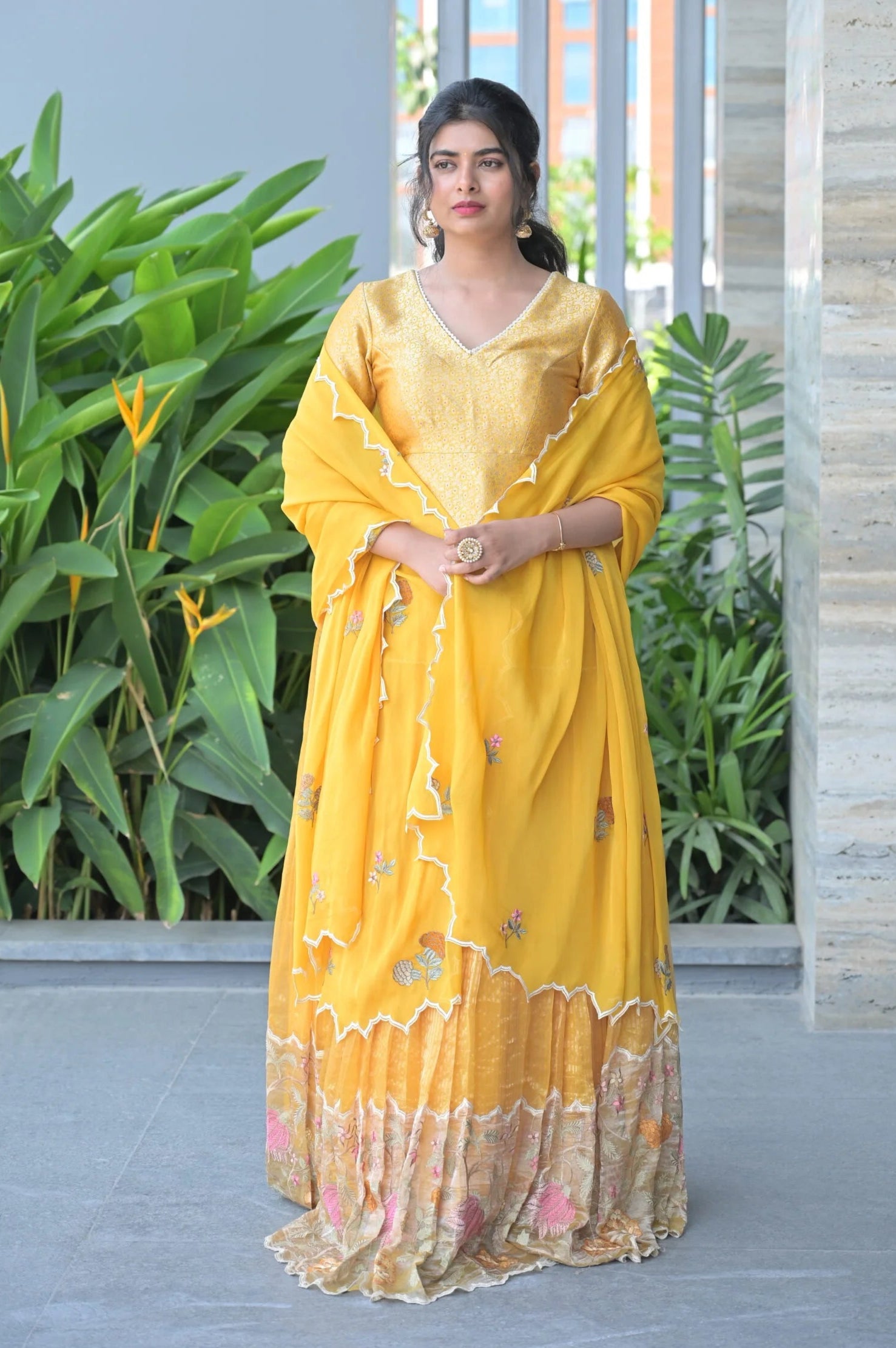
The traditional way of styling a Banaras saree focuses on preserving its royal essence. Classic draping styles, such as the Nivi drape, allow the intricate motifs and borders to remain the focal point. Pairing the saree with a well-fitted blouse in silk or brocade enhances the richness of the fabric. Deep jewel tones like maroon, emerald green, royal blue, and mustard work beautifully for traditional looks.
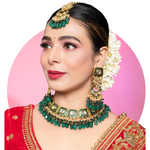
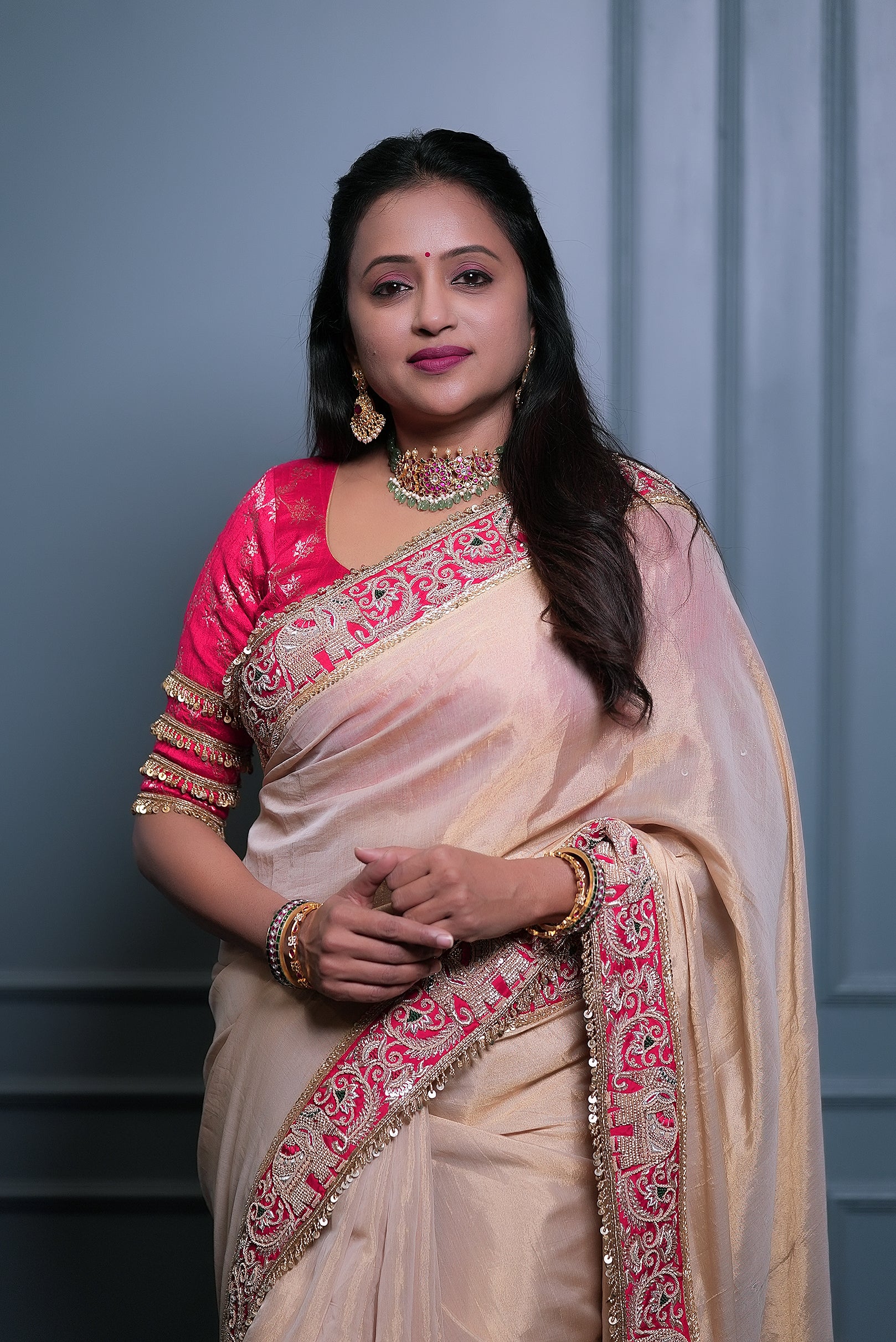
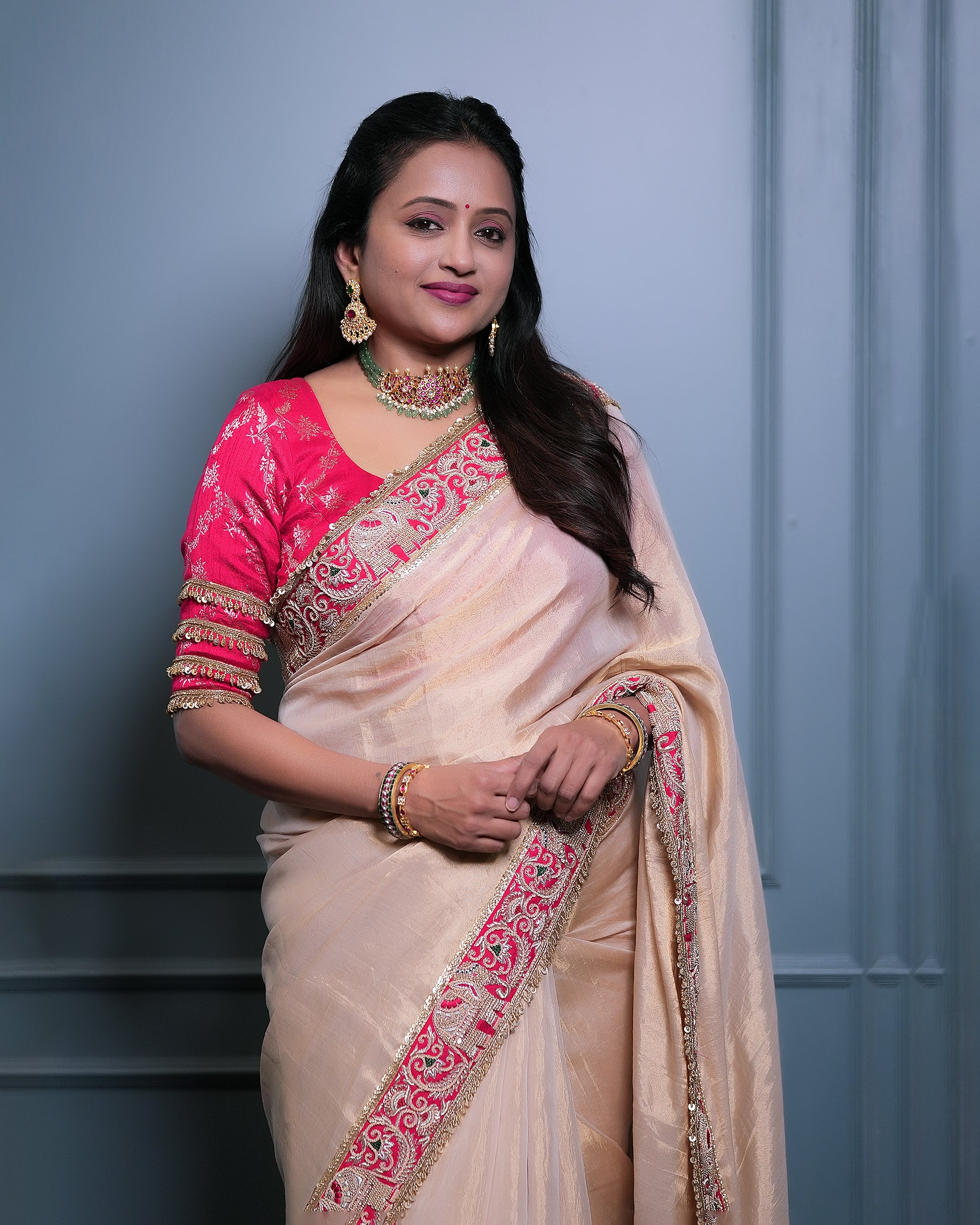
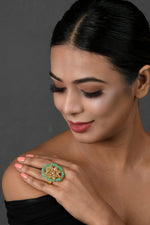
Jewellery plays a crucial role here. Temple jewellery, antique gold pieces, or heirloom jhumkas complement the grandeur of Banaras sarees perfectly. Hairstyles like a sleek bun adorned with flowers or a neatly braided hairstyle keep the look rooted in tradition. Minimal makeup with defined eyes and a bindi completes the ensemble, making it ideal for weddings, religious ceremonies, and festive occasions.
Modern Draping Styles for a Contemporary Touch
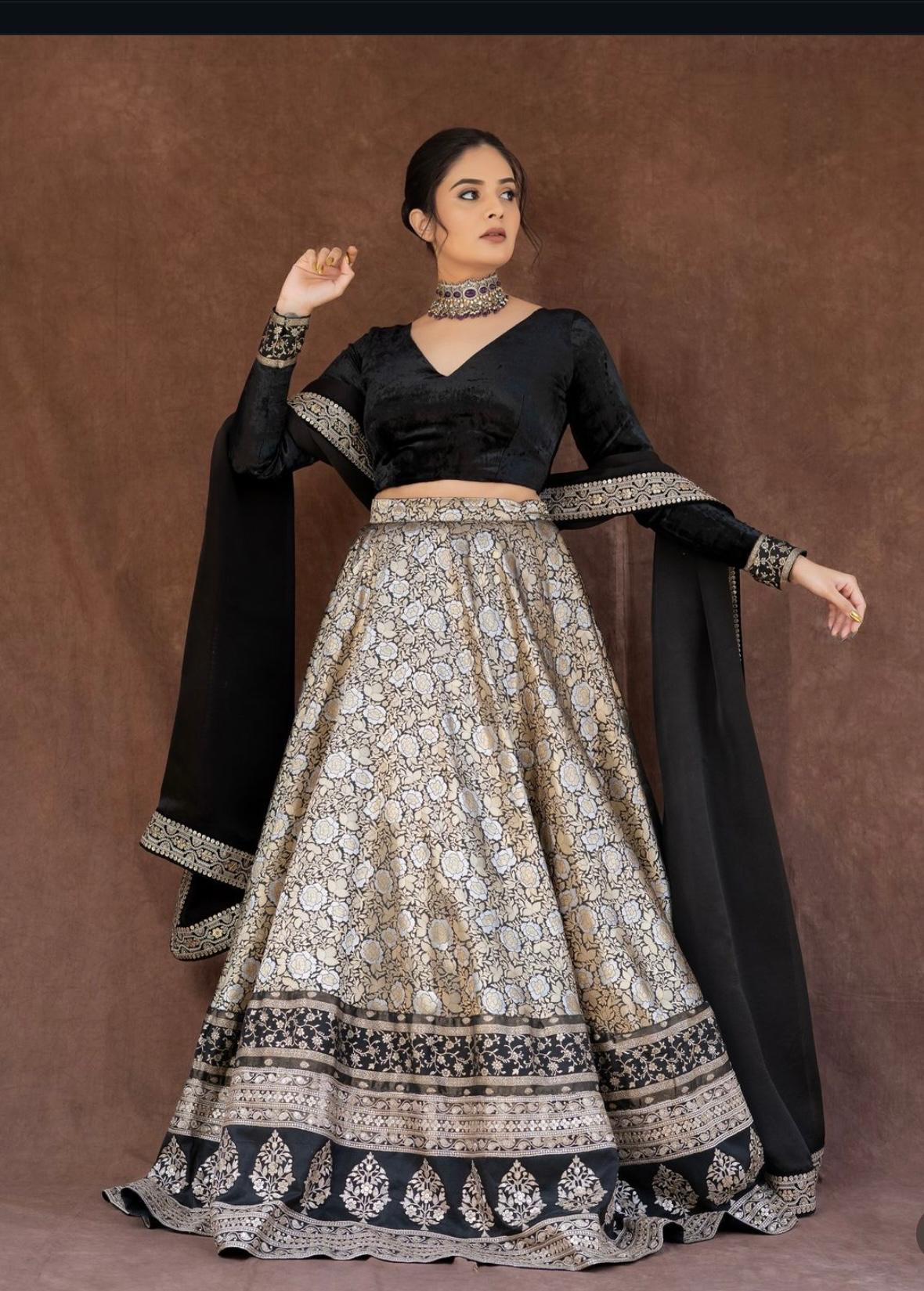
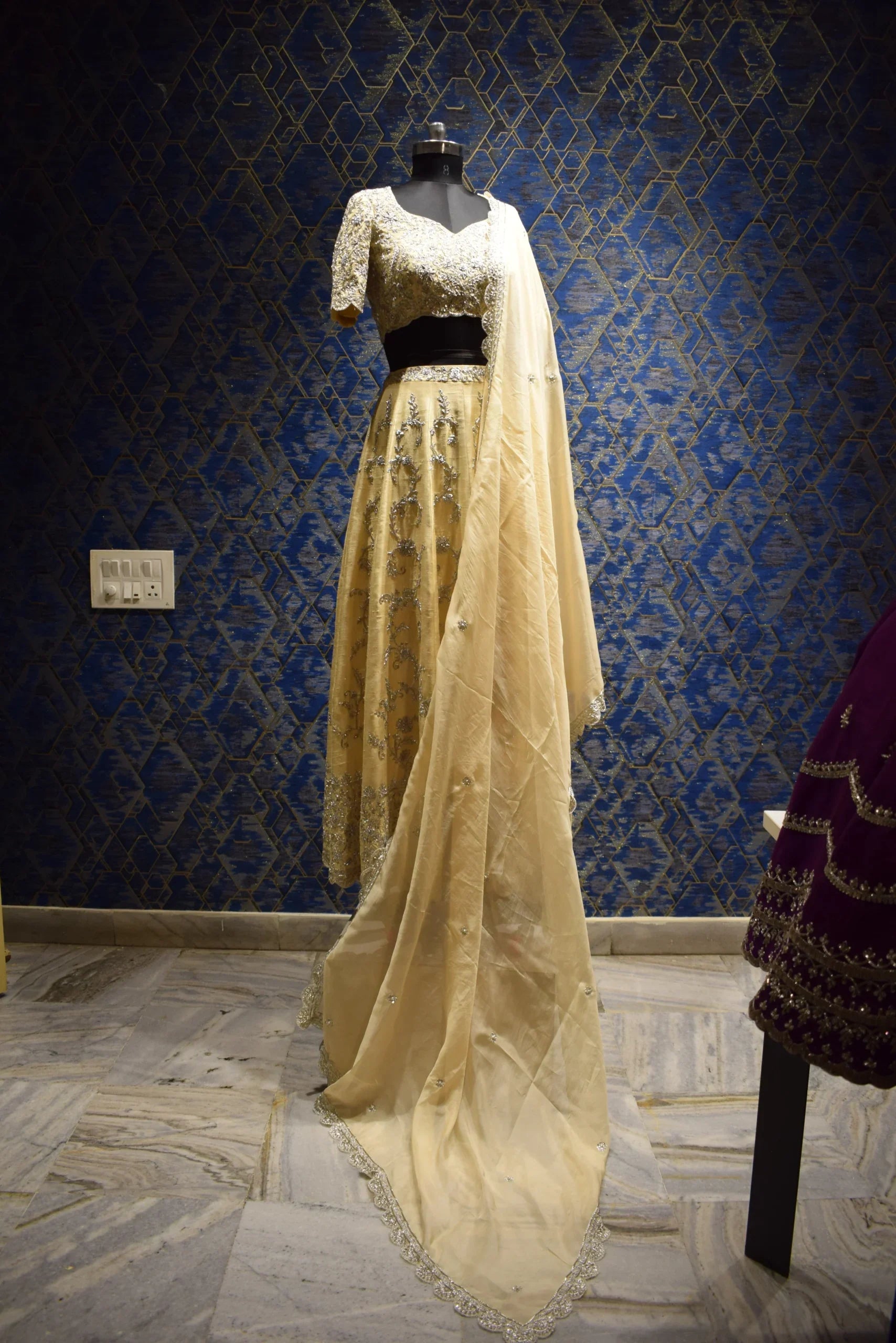
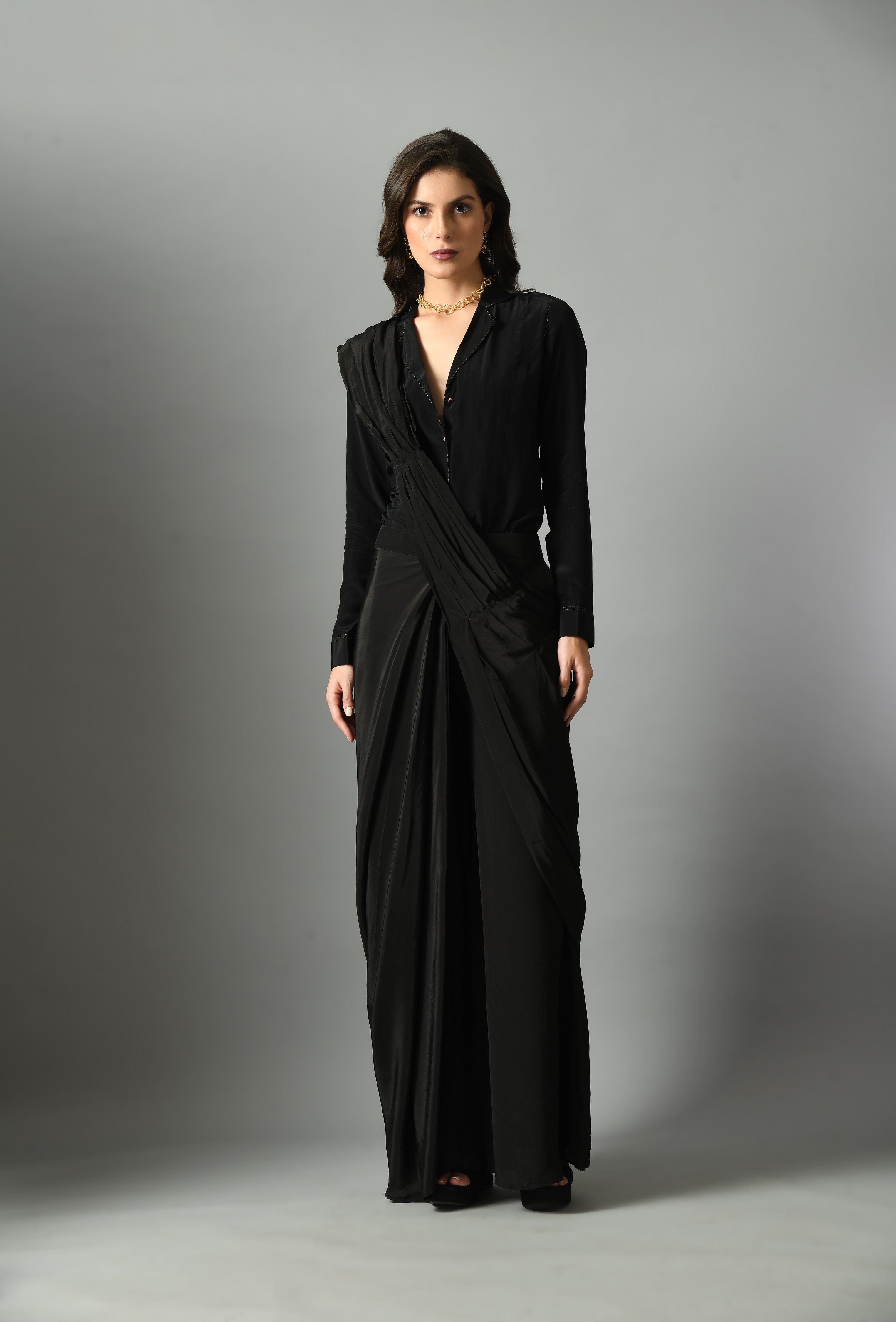
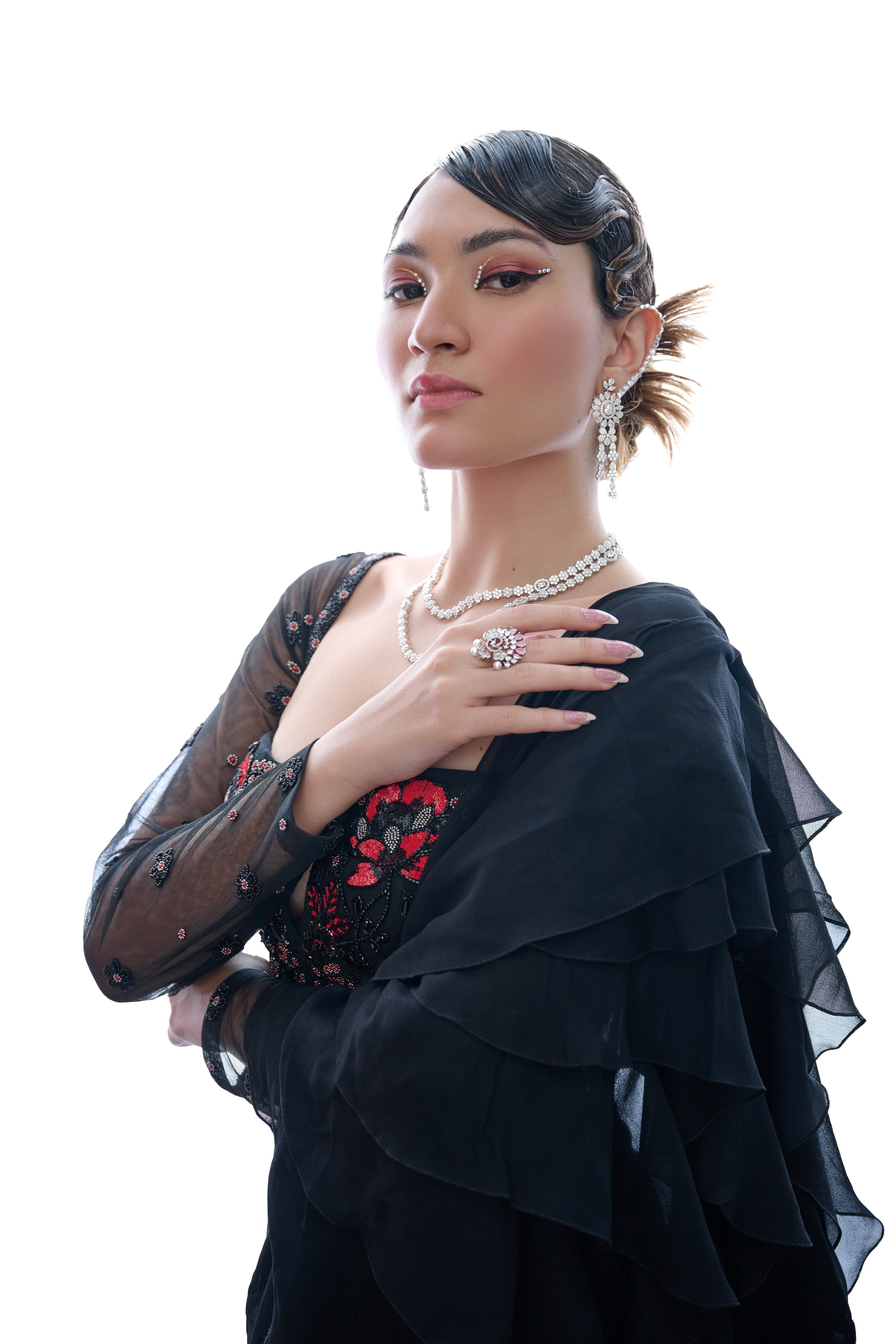
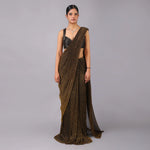
To give a Banaras saree a modern twist, experimenting with draping styles is key. A belted saree drape adds structure while maintaining elegance, allowing the saree to flow effortlessly. Another popular approach is the pant-style or pre-stitched drape, which offers comfort and a contemporary silhouette without compromising on the saree’s richness.
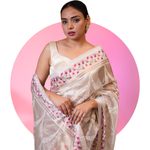
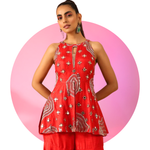
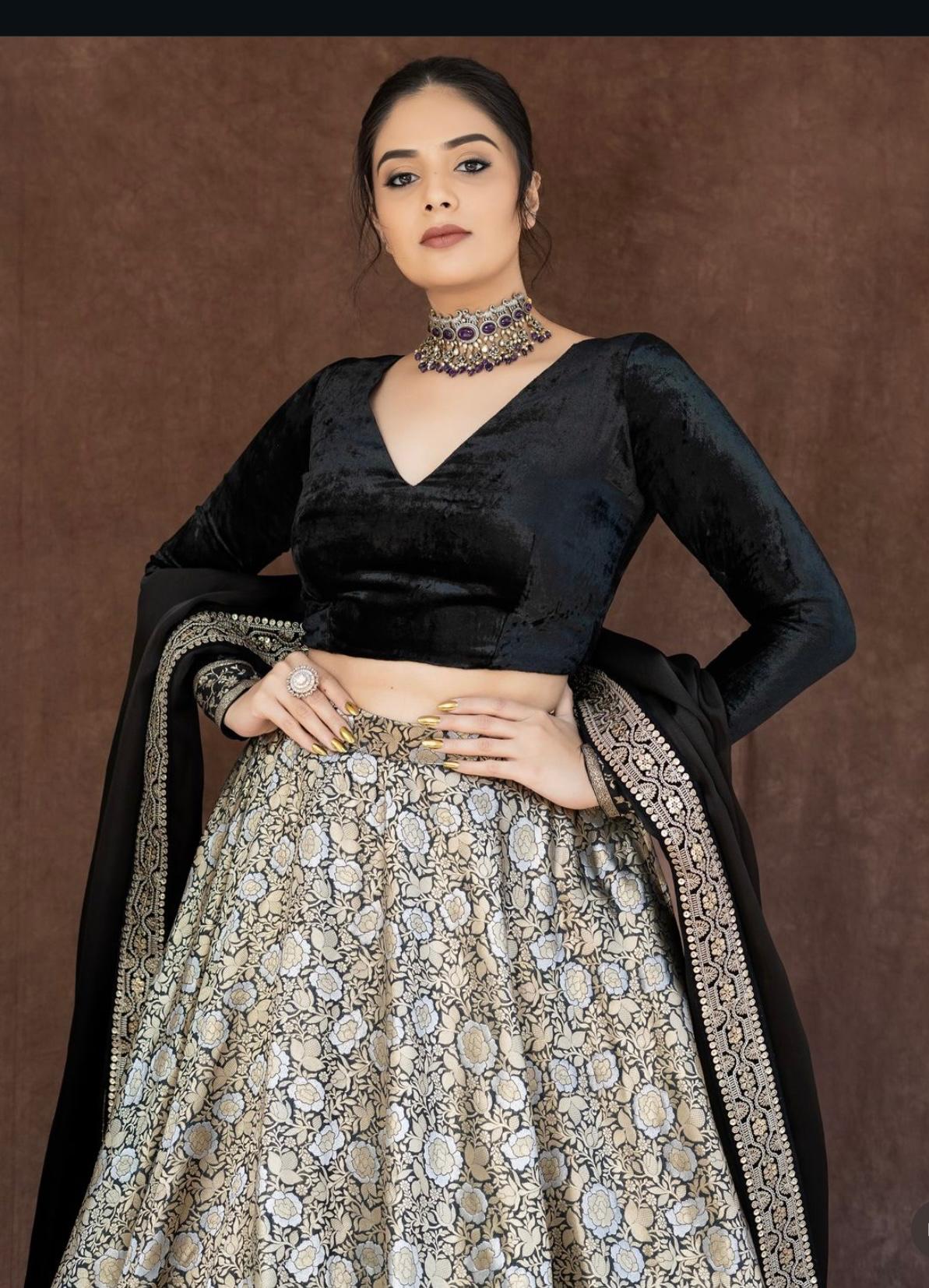
Layering is also an effective modern styling technique. Adding a structured jacket, cape, or blazer over a Banaras saree instantly transforms it into an Indo-western outfit. These elements create contrast while keeping the saree as the hero piece. Neutral or monochrome blouses work especially well for modern styling, allowing the detailed zari work to stand out.
Blouse Designs That Redefine the Look
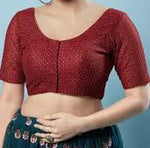
Blouse styling can dramatically change the overall appearance of a Banaras saree. Traditional looks pair well with high-neck blouses, elbow-length sleeves, or classic boat necks. For a modern approach, try sleeveless blouses, halter necks, or corset-style designs.
Textured fabrics like raw silk, velvet, or organza add depth, while minimalist embroidery keeps the look balanced. Even contrast blouses in muted tones can bring a refreshing update to a heavily woven saree.
Accessories That Balance Old and New
Accessories can either elevate or overpower a Banaras saree, so balance is essential. For traditional styling, layered necklaces and bangles work well. For a modern look, statement earrings, metallic belts, or contemporary cuffs add a fashionable edge without overwhelming the saree.
Footwear also matters. Classic sandals or embellished juttis suit traditional outfits, while block heels or sleek stilettos align better with modern styling. Keeping accessories minimal helps highlight the saree’s craftsmanship.
Hairstyles and Makeup to Complete the Look
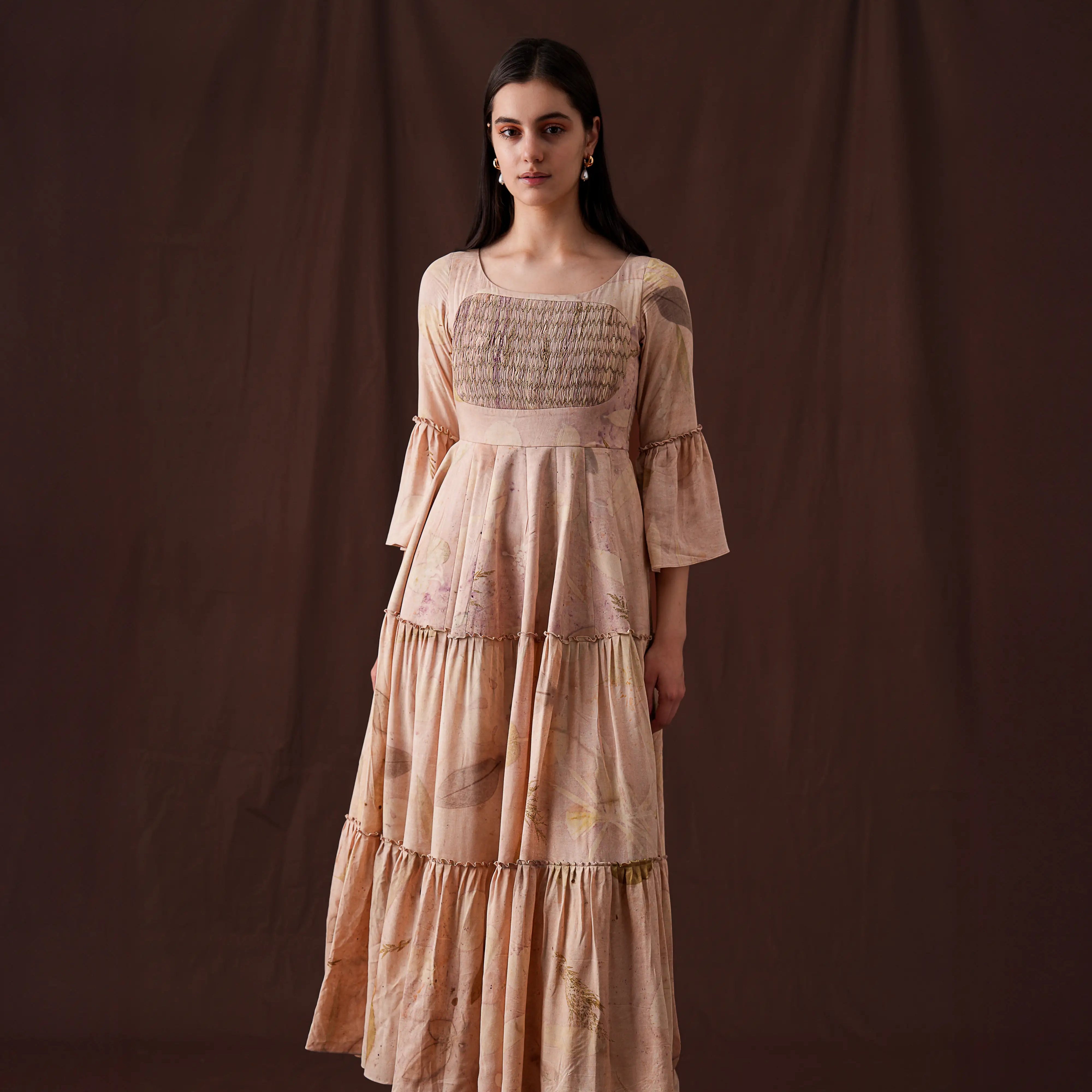
Traditional hairstyles like low buns or side braids highlight the elegance of Banaras sarees. For a modern appearance, loose waves, soft curls, or even a high ponytail add freshness. Makeup can be adapted accordingly; classic looks benefit from warm tones and kohl-lined eyes, while modern styles pair well with bold lips or dewy skin finishes.
Styling Banaras Sarees for Versatile Occasions
What makes Banaras sarees truly special is their adaptability. With the right styling, the same saree can transition from a traditional family function to a contemporary celebration. By experimenting with drapes, blouses, accessories, and layering, Banaras sarees remain relevant across generations while celebrating India’s rich textile heritage.